Key Contributors to Matting in Cats
Matting is not a cosmetic inconvenience. It is a biomechanical, behavioral, and sometimes medical signal. When coat fibers fuse, something upstream has changed — in mobility, grooming behavior, skin health, or environment.
1. Mechanical Contributors
Tangles & friction zones
Mats begin where hair moves against hair: armpits, behind ears, belly, inner thighs. Long hair, double coats, and undercoat density accelerate compaction.
Loose shed accumulation
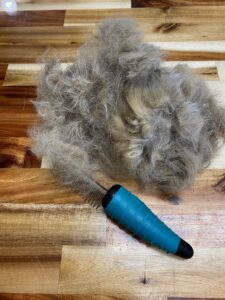
Detached hairs interlock with guard hairs, forming felt-like sheets. During seasonal sheds, compaction can form within days.
Coat physics (double coat compaction)
Undercoat fibers are fine and numerous. When not removed, they compress beneath guard hairs, forming dense panels that restrict airflow and skin movement.
2. Environmental & Surface Contributors
Tackiness
Saliva, food residue, oils, humidity, or debris increase fiber adhesion.
Moisture retention
Wet fur that dries slowly (especially in seniors) tightens into fiber clusters.
Static & seasonal climate
Dry indoor air increases static binding; humid climates increase fiber cohesion.
3. Mobility & Medical Contributors
Arthritis
When spinal flexion or hip rotation decreases, cats stop reaching their lower back and hindquarters. This is one of the most common contributors to sudden matting in senior cats.
Obesity
Increased body mass limits grooming access to the abdomen and base of tail.
Dental pain
Oral discomfort reduces grooming duration and precision.
Embedded claws
Ingrown claws alter gait mechanics and discourage normal movement.
Reduced mobility increases coat neglect.
→ Explore Embedded Claw Trim Hub
Senior metabolic changes
Aging alters sebaceous output and coat texture, increasing friction.
4. Behavioral & Stress Contributors
Shutdown / depression
Behavioral withdrawal reduces self-maintenance routines.
Environmental change
Moving homes, new pets, loss events, or routine disruption can decrease grooming frequency.
PFSES (Pre-Felt Somatic Entrapment Syndrome)
Before visible mats form, coat fibers may compress and entrap somatic sensation. This subclinical stage often precedes visible pelting.
5. Deferred Grooming & Threshold Escalation
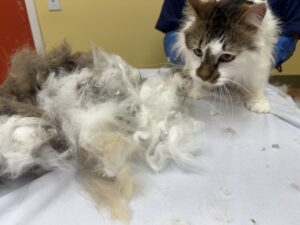
When early mats are avoided due to discomfort, compaction worsens and becomes more painful, increasing avoidance further.
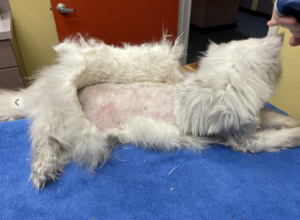
This loop leads to what many families call “sudden severe matting,” when in fact the progression has been gradual.
→ See Severe Matting Case Studies
→ Learn About Deferred Grooming
When to Seek Professional Intervention
- Mats are tight to skin
- Skin odor or moisture trapped beneath coat
- Behavioral resistance to brushing
- Senior, obese, arthritic, or medically complex cat
- Visible gait changes or claw overgrowth
Severe matting is often a symptom, not a cause. Clinical grooming identifies upstream contributors and restores coat function.
→ Learn About Grooming Without Sedation
→ Return to the Severe Matting Hub
If Your Cat Is Already Matted
Once coat fibers begin to fuse, brushing alone often increases discomfort. Early professional intervention is safer, faster, and less stressful.
TANDEM Cat® is a registered trademark. Educational content only and not a substitute for veterinary diagnosis.



Choose your grooming location
Use the location pages below for hours, directions, and location-specific details for Portland-area cat grooming.
Powell Location
Portland cat grooming — location details & booking pathway
Beaverton Location
Westside cat grooming — location details & booking pathway