
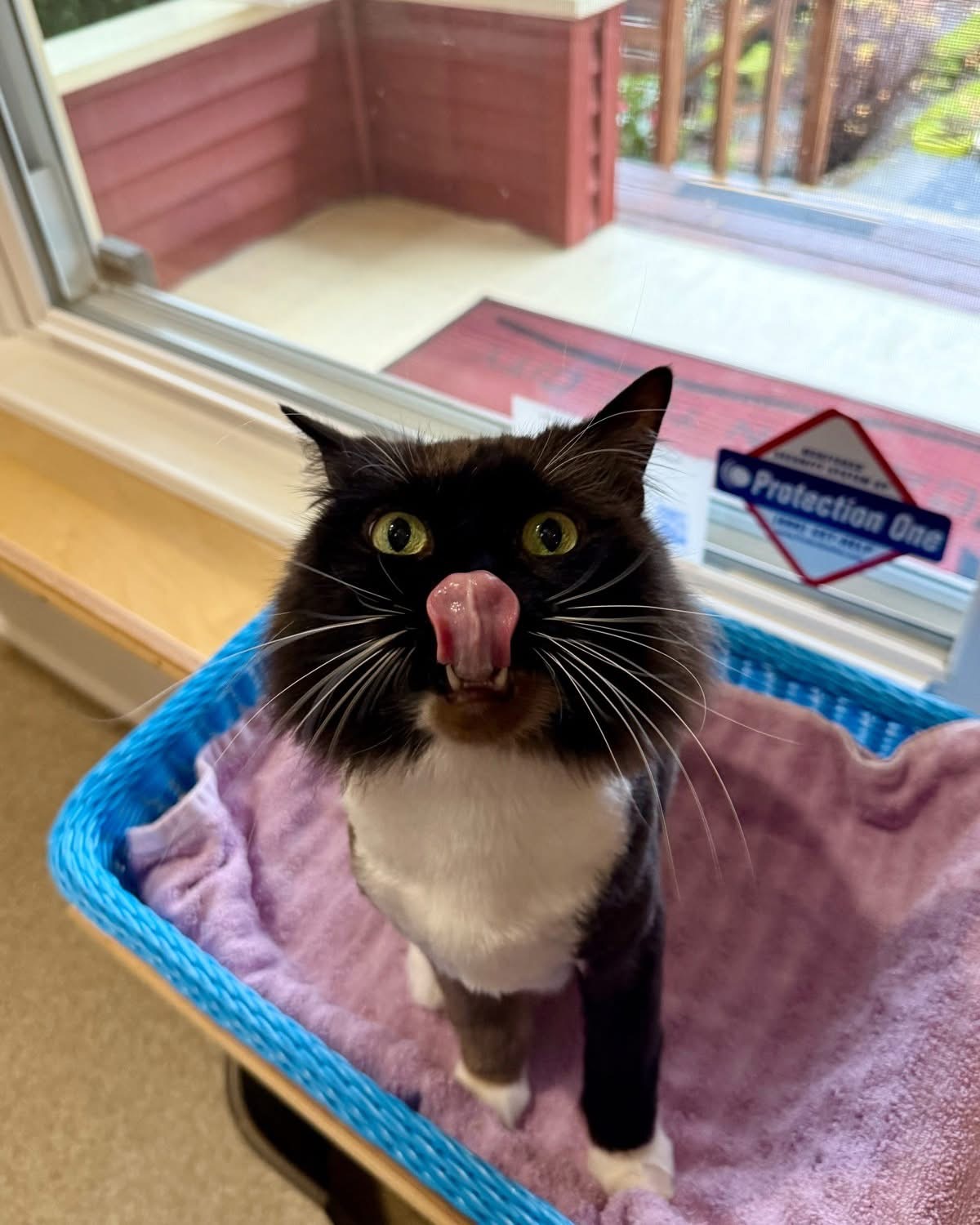
What Belonging Looks Like
You’ll see it immediately.
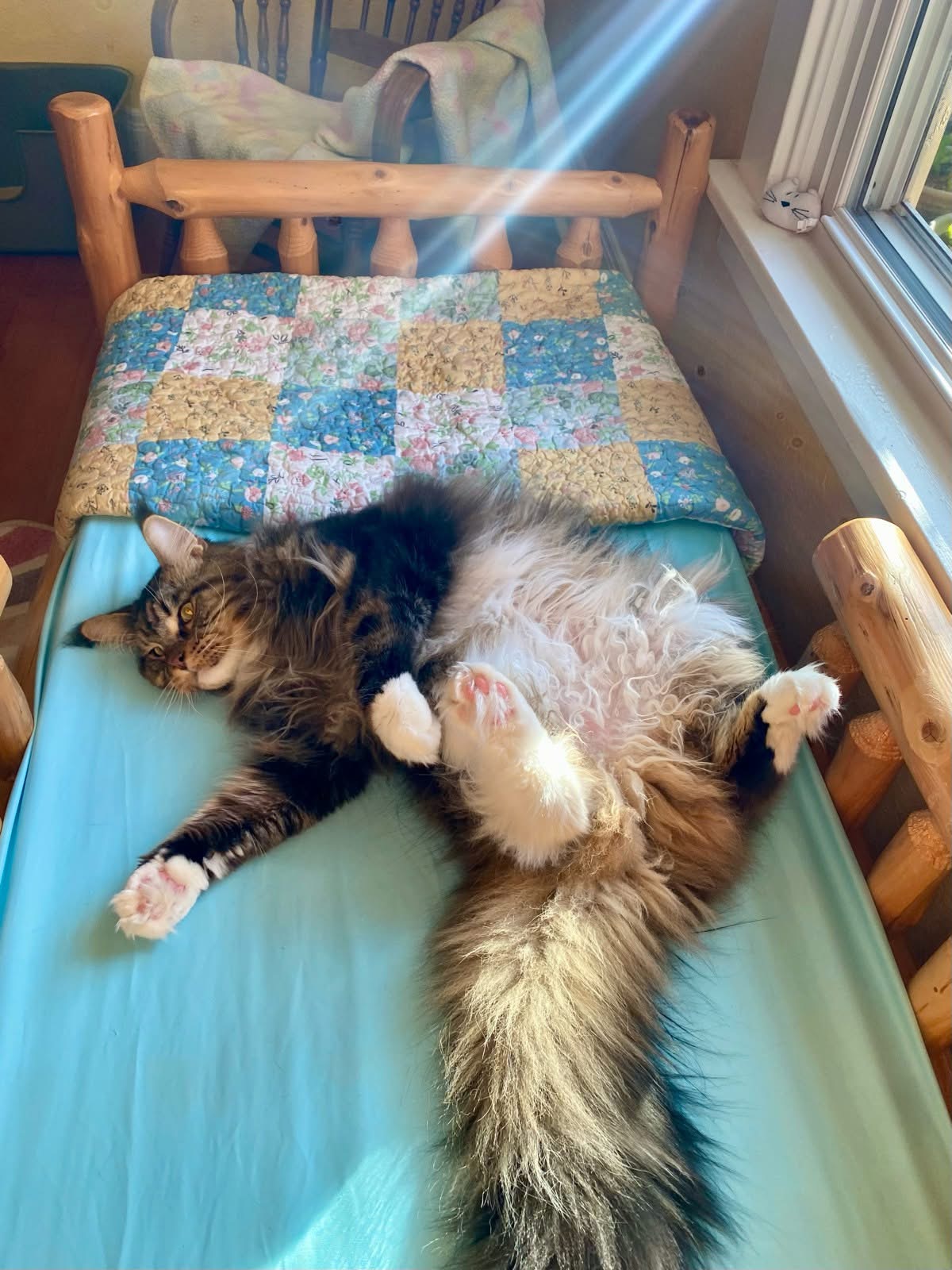
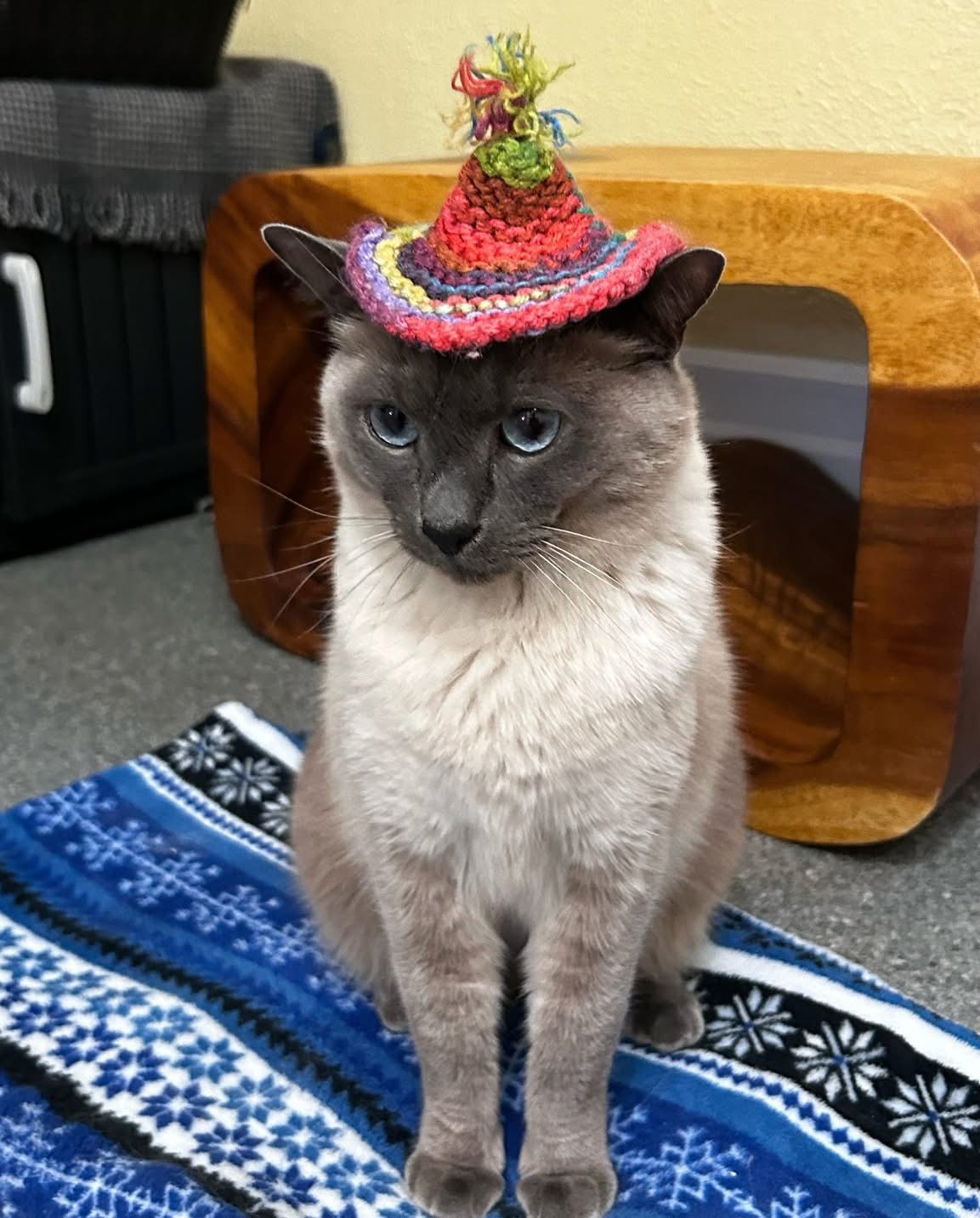
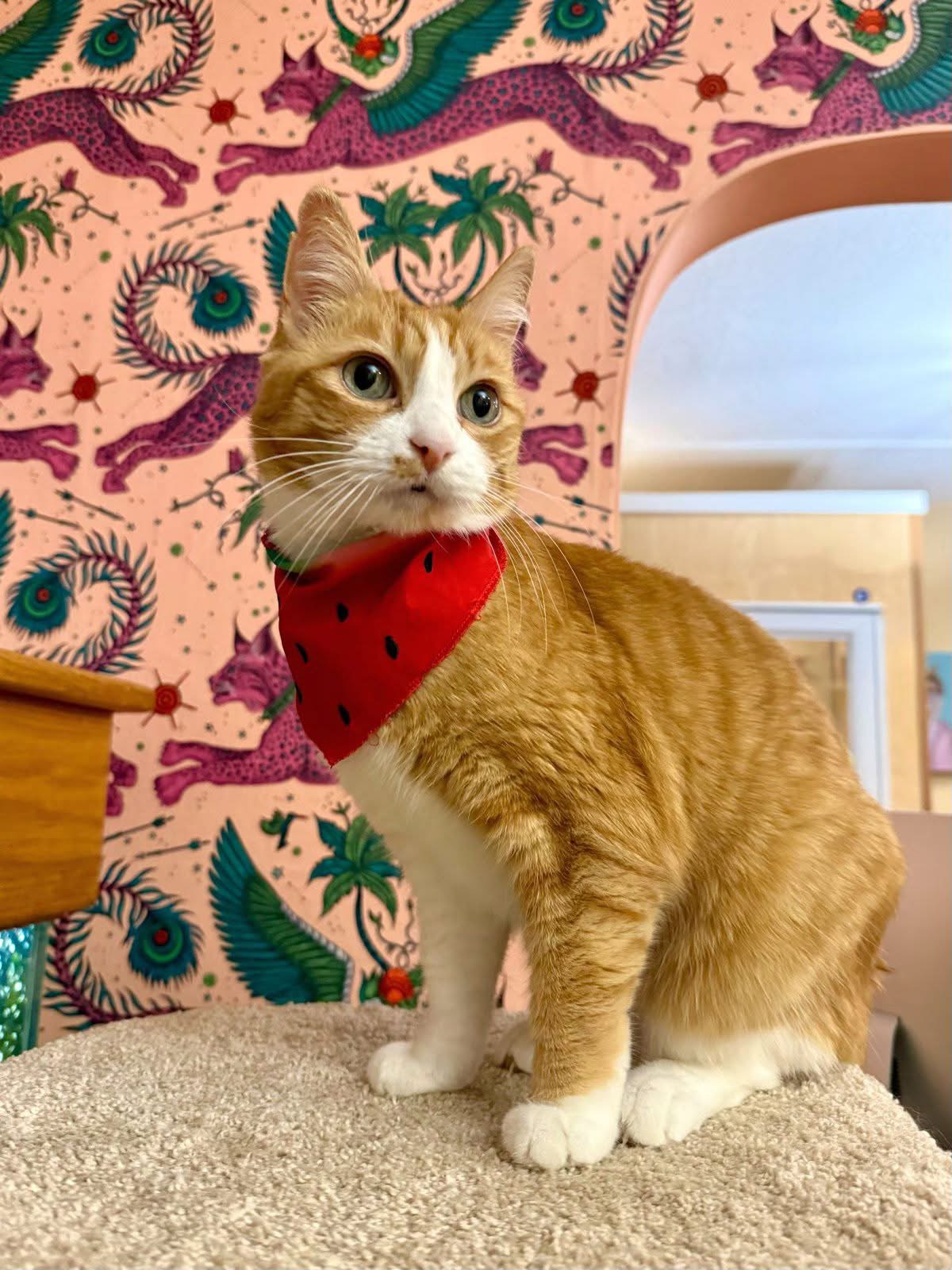
Cats stretched out fully in the open. Bodies loose, not held in. Movement without hesitation. Rest that doesn’t look like shutdown.
They’re not managing the space.
Position Matters
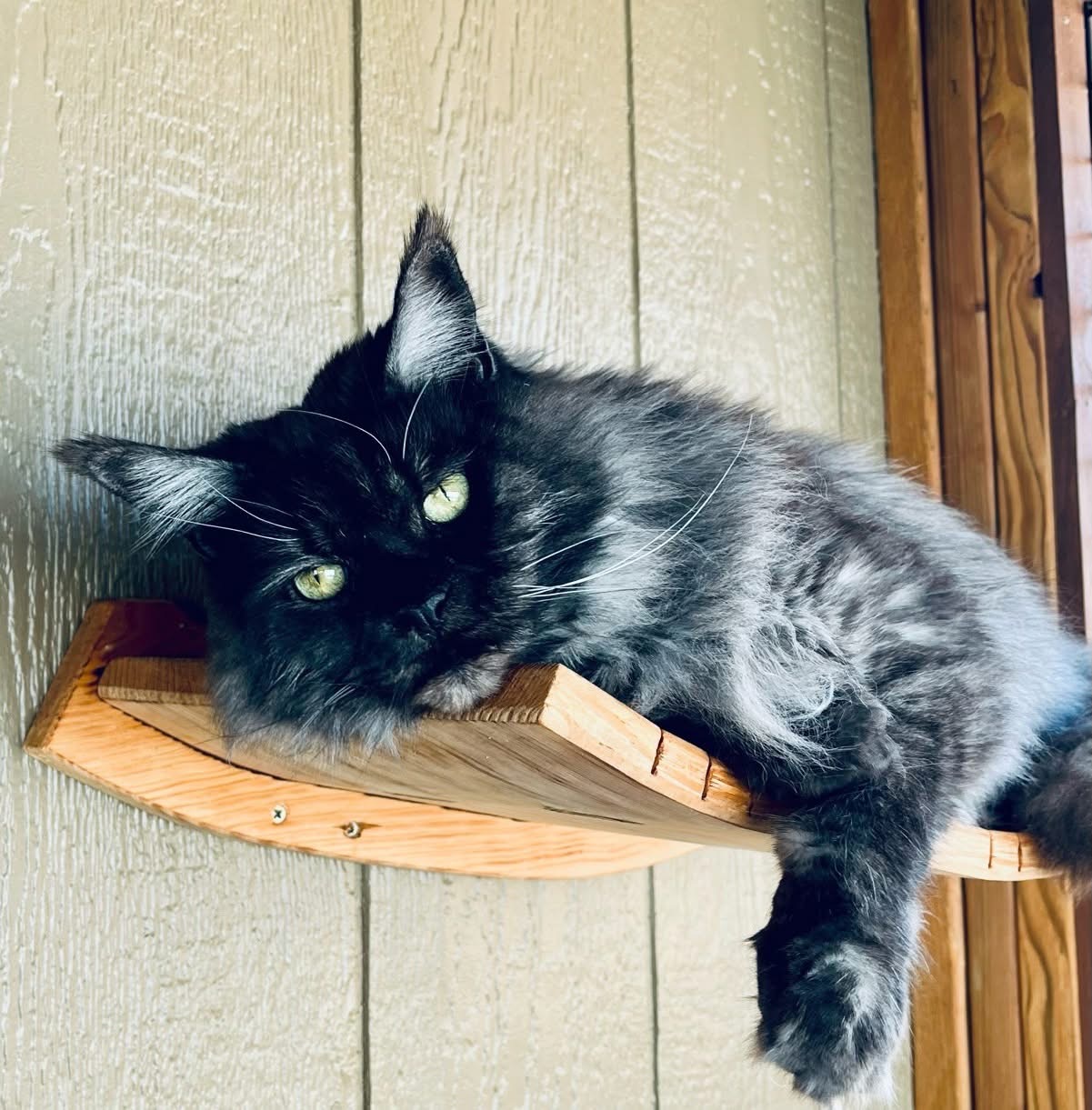
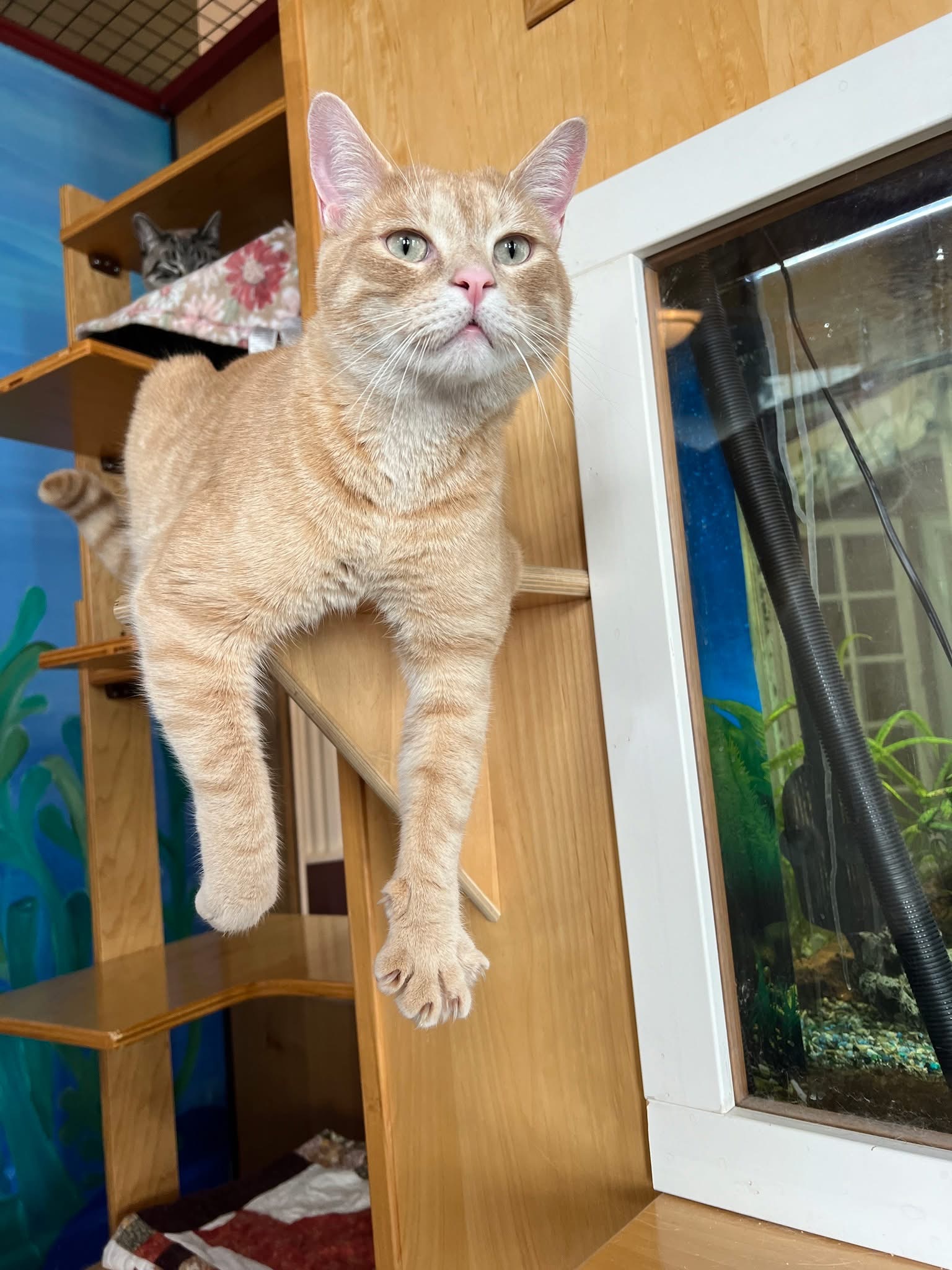
Where a cat chooses to sit, stand, or rest tells you everything.
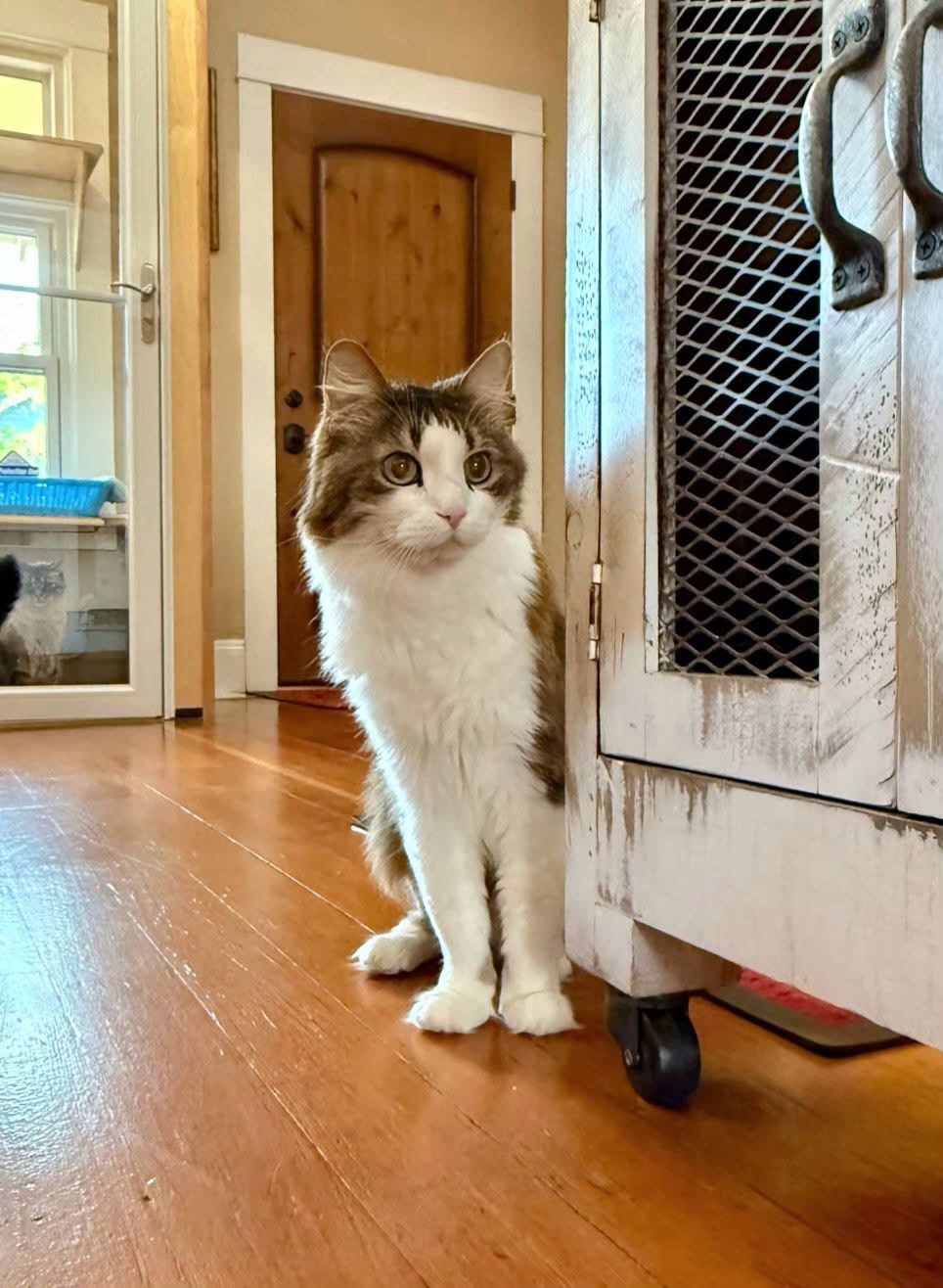
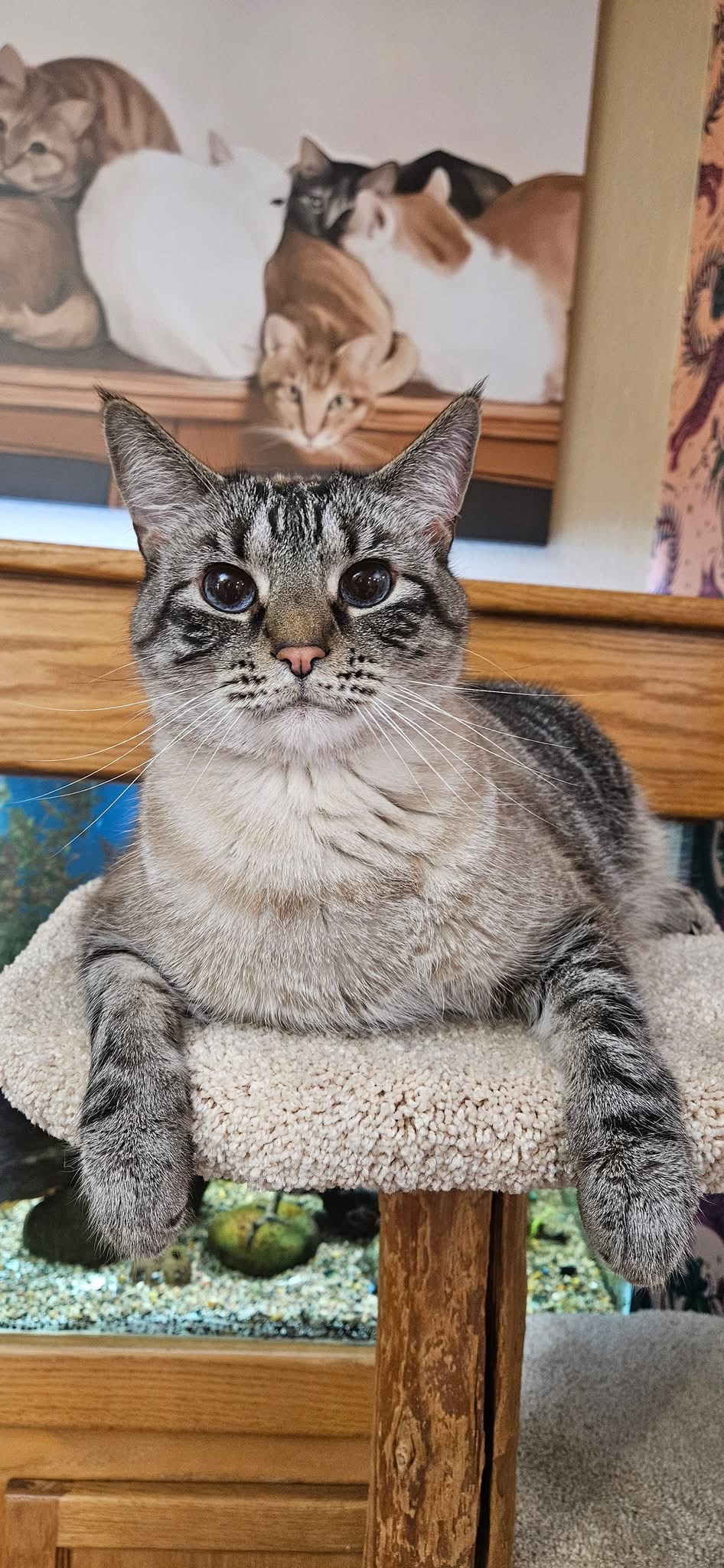
We watch for threshold positioning, elevated observation points, and mid-room relaxation where the cat does not need walls to feel safe.
These are signals of confidence—not coincidence.
Movement Without Question
In a stressful environment, every step is evaluated.
Here, movement is fluid.
Cats transition between levels easily, enter and exit spaces without pause, and re-engage quickly after rest.
Social, When They Choose It
Some cats stay independent.
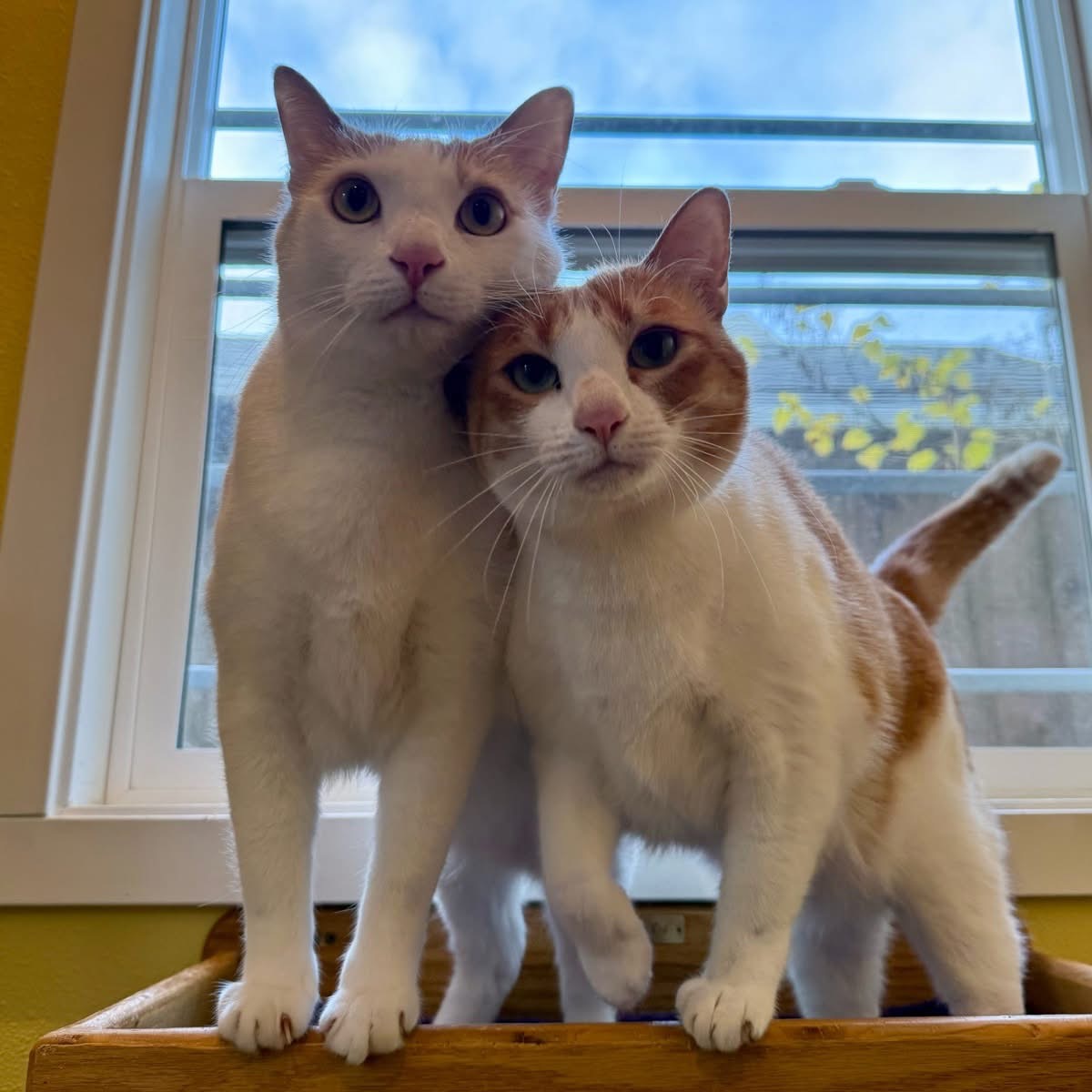
Some choose proximity.
When they do, you’ll see shared space without tension, parallel attention, and physical closeness without guarding.
We don’t force socialization. We allow it to emerge.
Play That Has Teeth
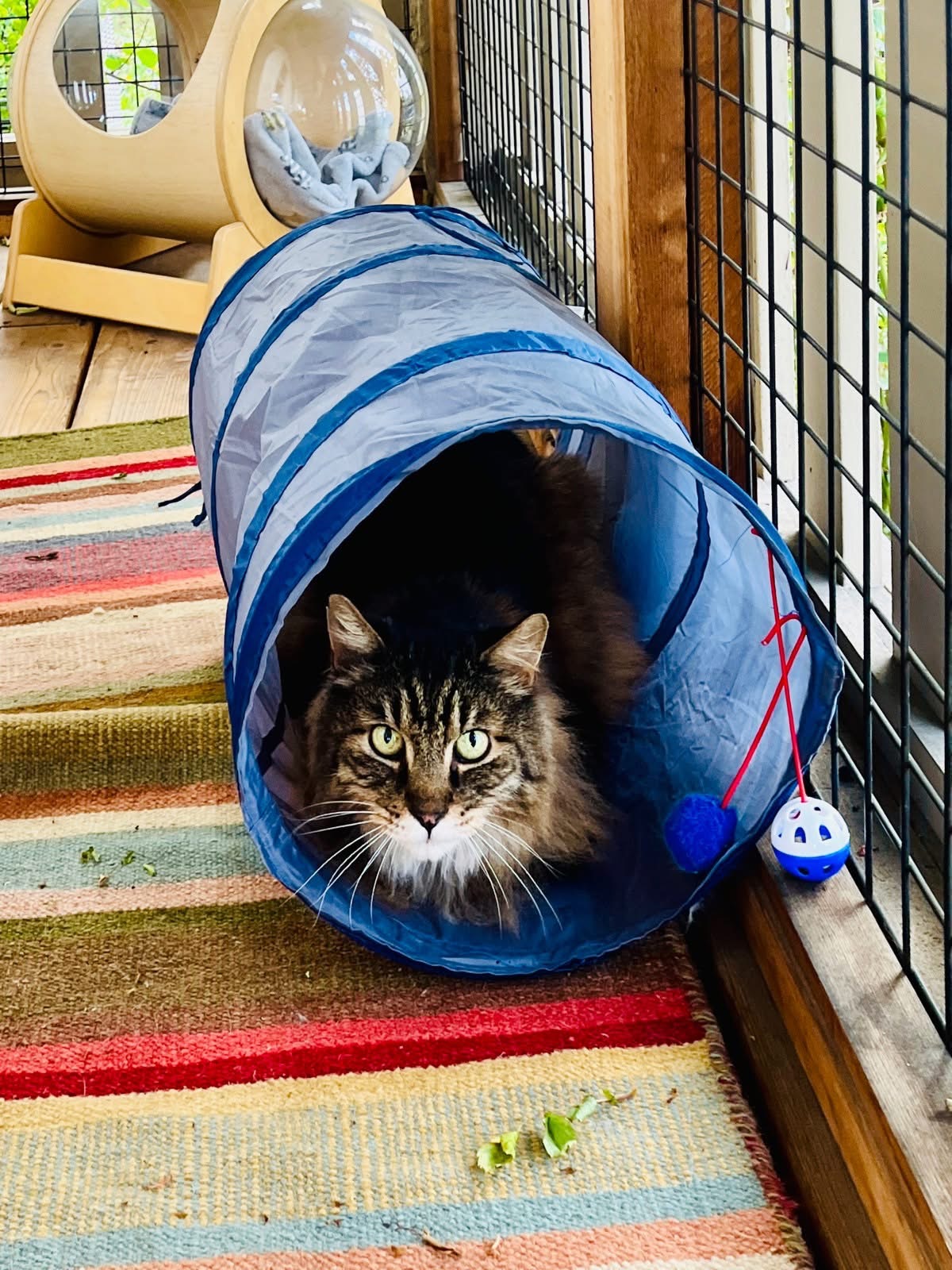
Play here isn’t cautious.
It’s full: grabbing, kicking, biting, chasing.
Because the body isn’t holding back.

Stillness That Isn’t Shutdown
A quiet cat isn’t always a calm cat.
We look for soft eyes, not withdrawn ones. Relaxed limbs, not tucked posture. Engagement before and after rest.
That’s regulated stillness.
Cats Become Easier to Read
Cats don’t just get through their stay.
They move more freely, show more of their personality, settle faster, and recover quicker.

A New Standard of Care
How Cats in the City changes the care system instead of asking the cat to tolerate a system that was not built for them.
Open page →Feline Boarding Portland
The main service page for Cats in the City feline-only boarding, care structure, locations, and request process.
Open page →Boarding Where Cats Stay Themselves
Curiosity, presence, and personality can remain visible during boarding when the environment supports the cat.
Open page →Boarding That Brings Cats Out
When safety creates surplus, cats play, stretch, reach, investigate, and engage.
Open page →A Space Cats Settle Into
How cats choose positions, claim resting places, use vertical space, and move without hesitation.
Open page →Feline Boarding, Rebuilt Around the Nervous System
The source page for the boarding cluster, connecting the model, visual proof pages, and service pathways.
Open page →Boarding That Supports Belonging
When cats are given enough structure, choice, and space, they do not have to spend the stay managing the environment.
They can settle into it.
Request Cat Boarding
Start the boarding request process for your cat through Cats in the City.
Request boarding →Medical & Special Needs Boarding
For cats who need closer monitoring, medication routines, senior care, or additional clinical awareness.
Open page →Sellwood Cat Boarding
Explore feline-only boarding at our Sellwood location.
Open page →Mt. Tabor Cat Boarding
Explore feline-only boarding at our Mt. Tabor location.
Open page →Policies & Peak Dates
Review boarding policies, peak dates, fees, and seasonal rate information before requesting care.
Open page →Cat Boarding Portland
Learn more about the Cats in the City boarding model, care environment, and feline-only approach.
Open page →Questions This Page Helps Answer
Boarding Where Cats Can Belong
Cats do not need to be reduced into waiting.
They need a space that gives them enough clarity, control, and confidence to move, rest, play, observe, and choose.
Better Care for Cats.