Early phase
Pressure indentation, tenderness, subtle guarding, paw sensitivity.

Cats in the City • TANDEM Cat® Clinical Grooming
Ingrown (embedded) claws aren’t routine nail trims. They’re a paw pad injury pathway—often quiet until a cat starts limping, avoiding jumping, licking a paw, or guarding touch. This hub organizes the fastest paths to the right page, plus real visual patterns so you can catch risk early and recognize “call now” situations.
If you’re unsure where to start, begin with Early Detection. If you’re seeing swelling, odor, discharge, or a visible puncture, jump to Embedded Claw Removal and review the red flags below.
Educational content only, not medical advice. If your cat has swelling, discharge, odor, limping, fever, or severe pain, contact your veterinarian urgently.
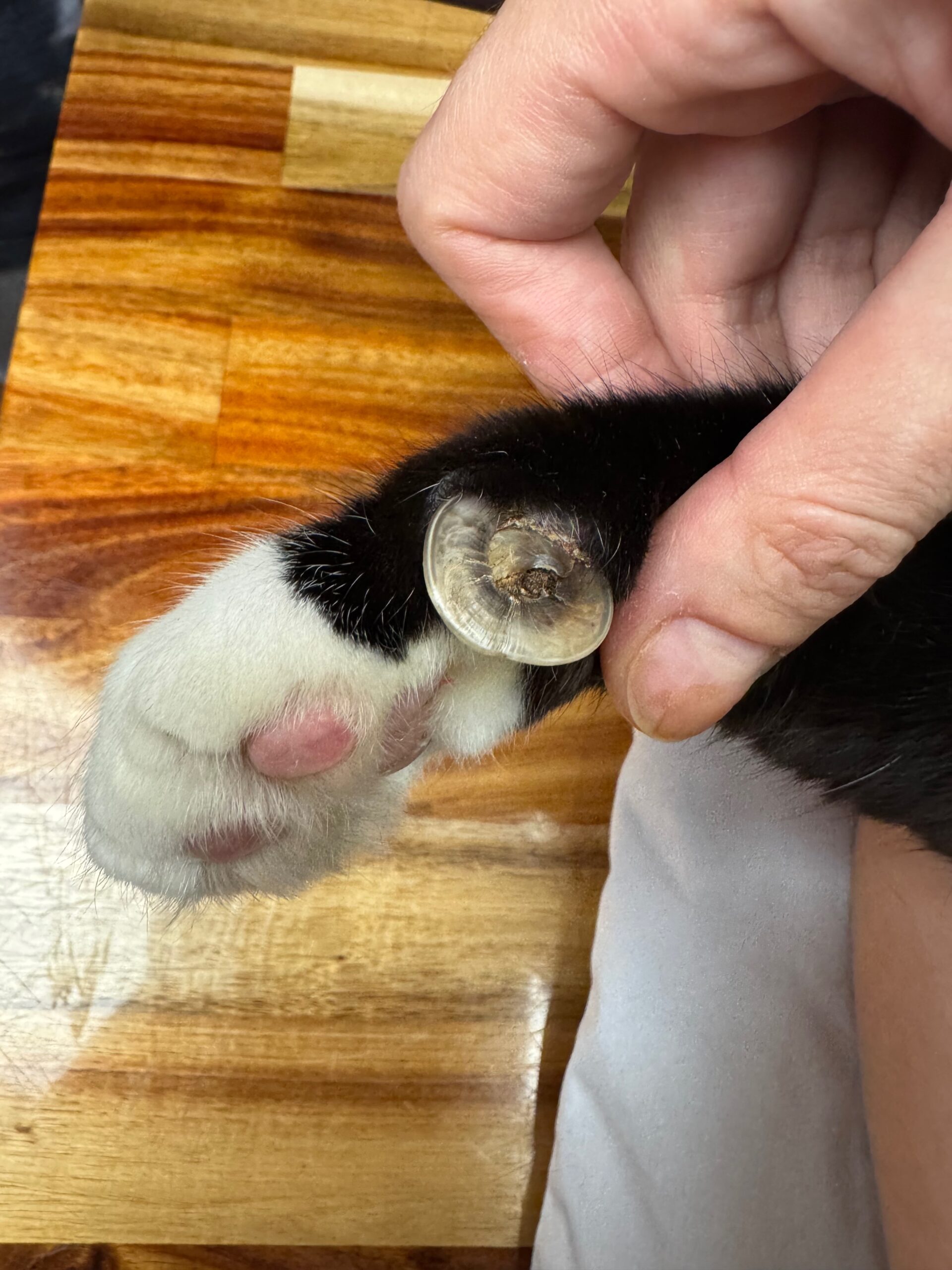
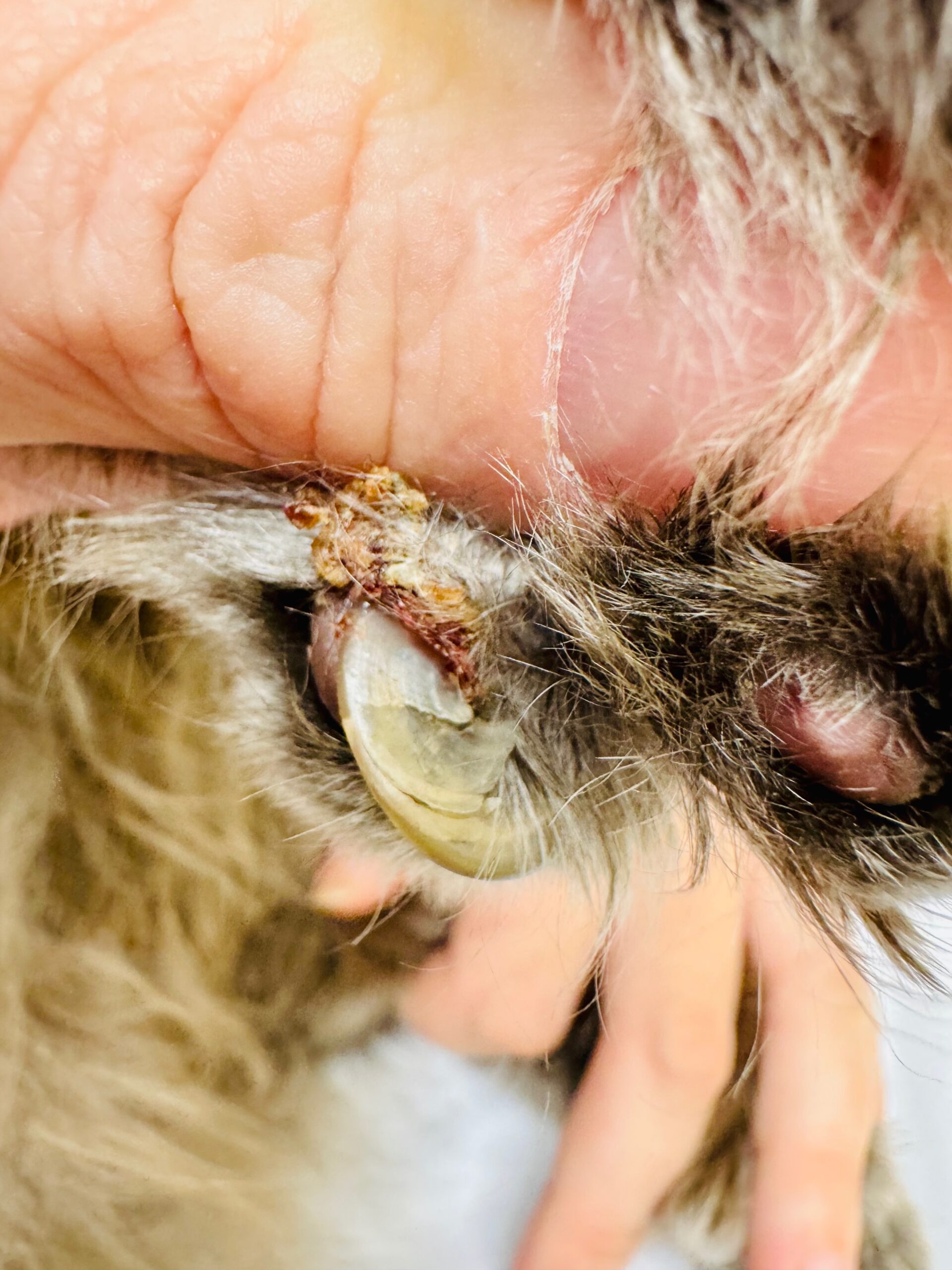
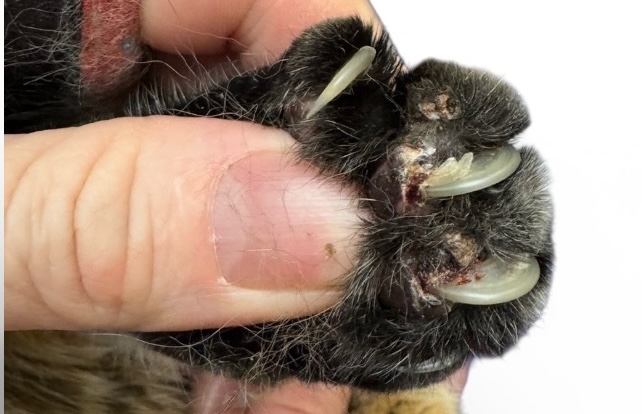
Most “ingrown claws” in cats are claws that have grown long enough to press into and then puncture the paw pad. Once the skin barrier is breached, bacteria and debris can enter—so a mechanical pressure issue can become inflammation or infection. Cats often hide this until mobility changes.
Pressure indentation, tenderness, subtle guarding, paw sensitivity.
Puncture forms as nail tip enters the pad. Cats may begin licking or limping.
Swelling, crusting, odor, discharge, or visible tissue compromise.
Common in seniors/arthritis cats: multiple claws overgrow and problems stack quietly.
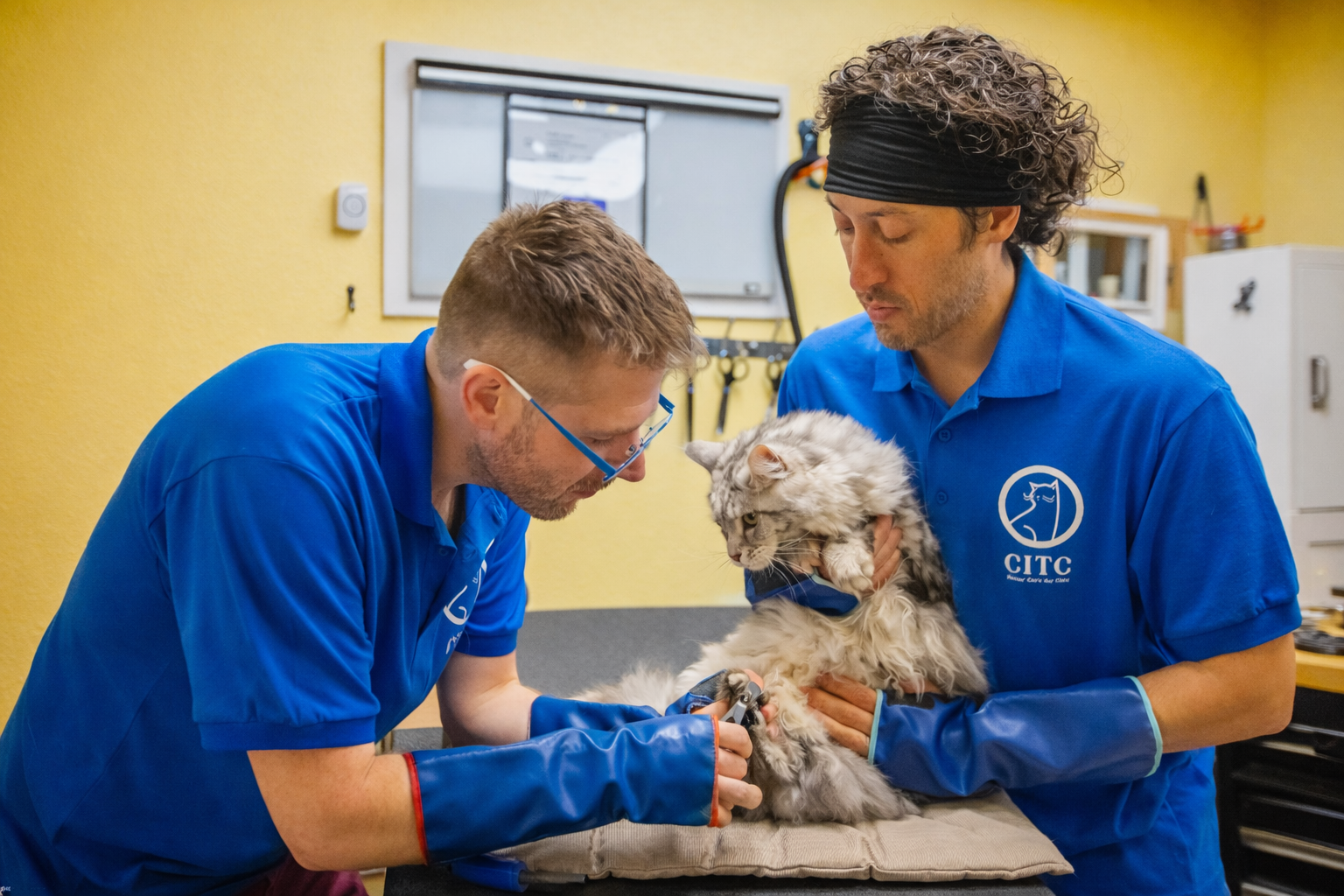
Non-sedated care is not “power through.” It’s trauma-informed, skin-safe, and responsive. If pain, reactivity, or injury severity makes non-sedated relief unsafe, we pause and recommend the safest next step.
Nail trims are also assessments. We’re checking for early pressure, disc claws, pad injury, and pain patterns—before it becomes urgent.

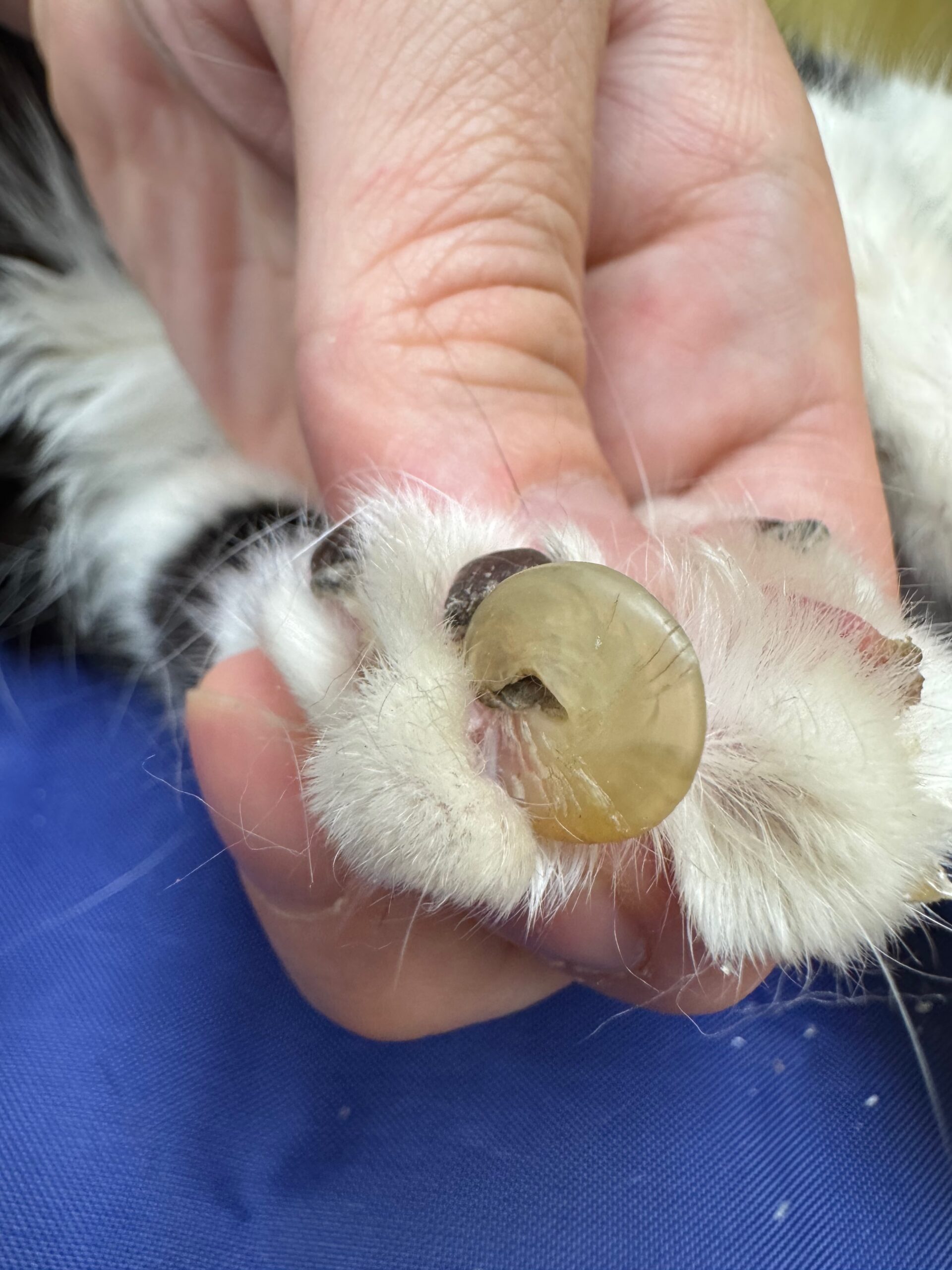
Full-loop curl toward the pad. High risk for penetration.

Crusting/inflammation suggests tissue is already compromised.

Common in seniors/arthritis cats who can’t self-maintain.
If you’re unsure whether claws are simply long or already injuring tissue, that uncertainty is the cue to schedule an evaluation. Early correction is dramatically easier on cats than late-stage excavation.
These pages work together: early detection → escalation → ulcer context → senior risk → Soft Paws complications. Choose the closest match and you’ll land on the right path.
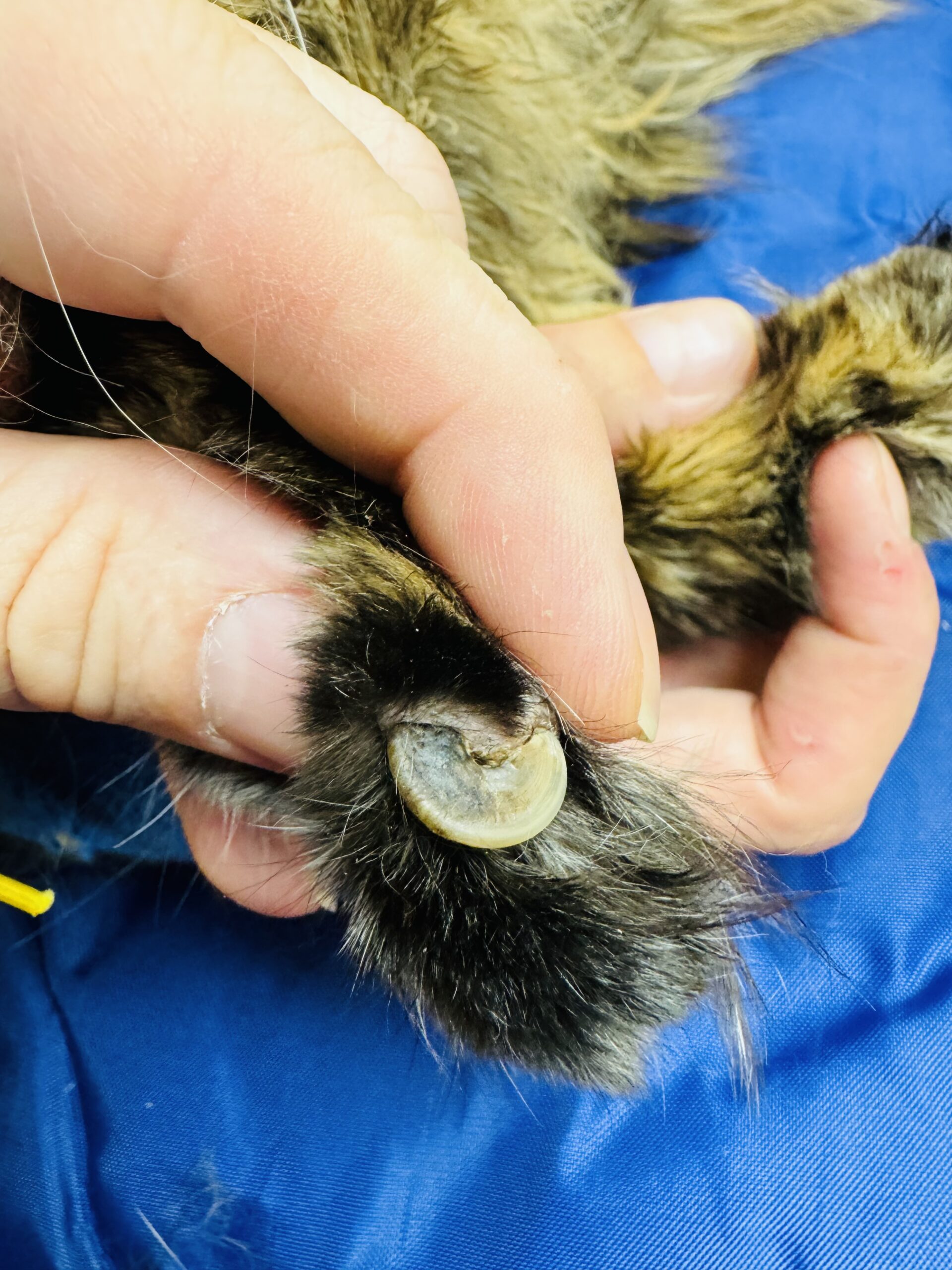
How to catch the curl-before-puncture phase: behavior shifts, visual cues, and what “early” actually looks like.
What non-sedated relief can look like when appropriate: stabilization, sterile flushing, aftercare, and referral thresholds.

What ulcers can look like, why punctures can “seal and trap,” and what to monitor so infection doesn’t escalate quietly.
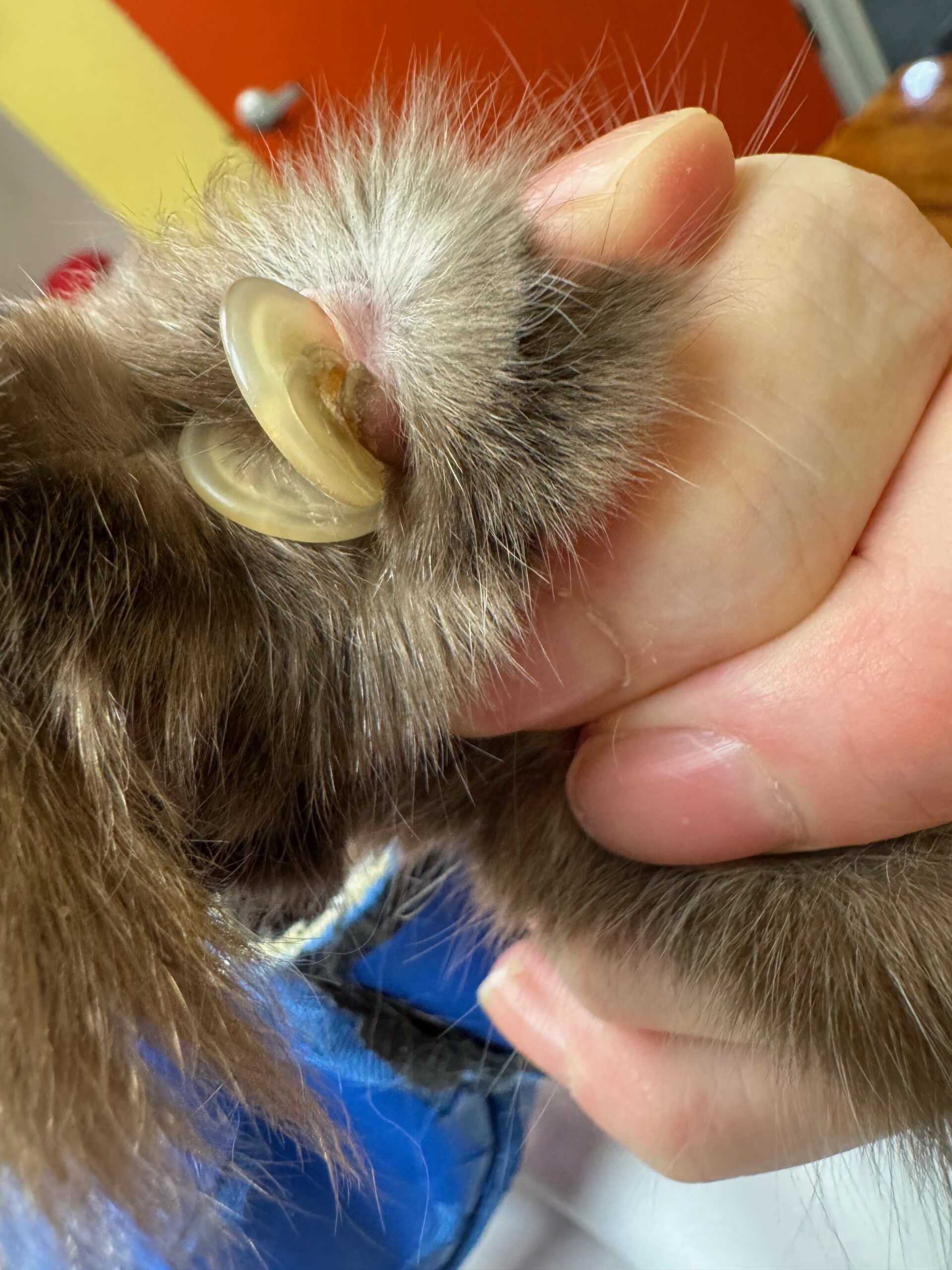
Why seniors are uniquely vulnerable: reduced self-maintenance, arthritis guarding, altered gait, and multi-paw progression.
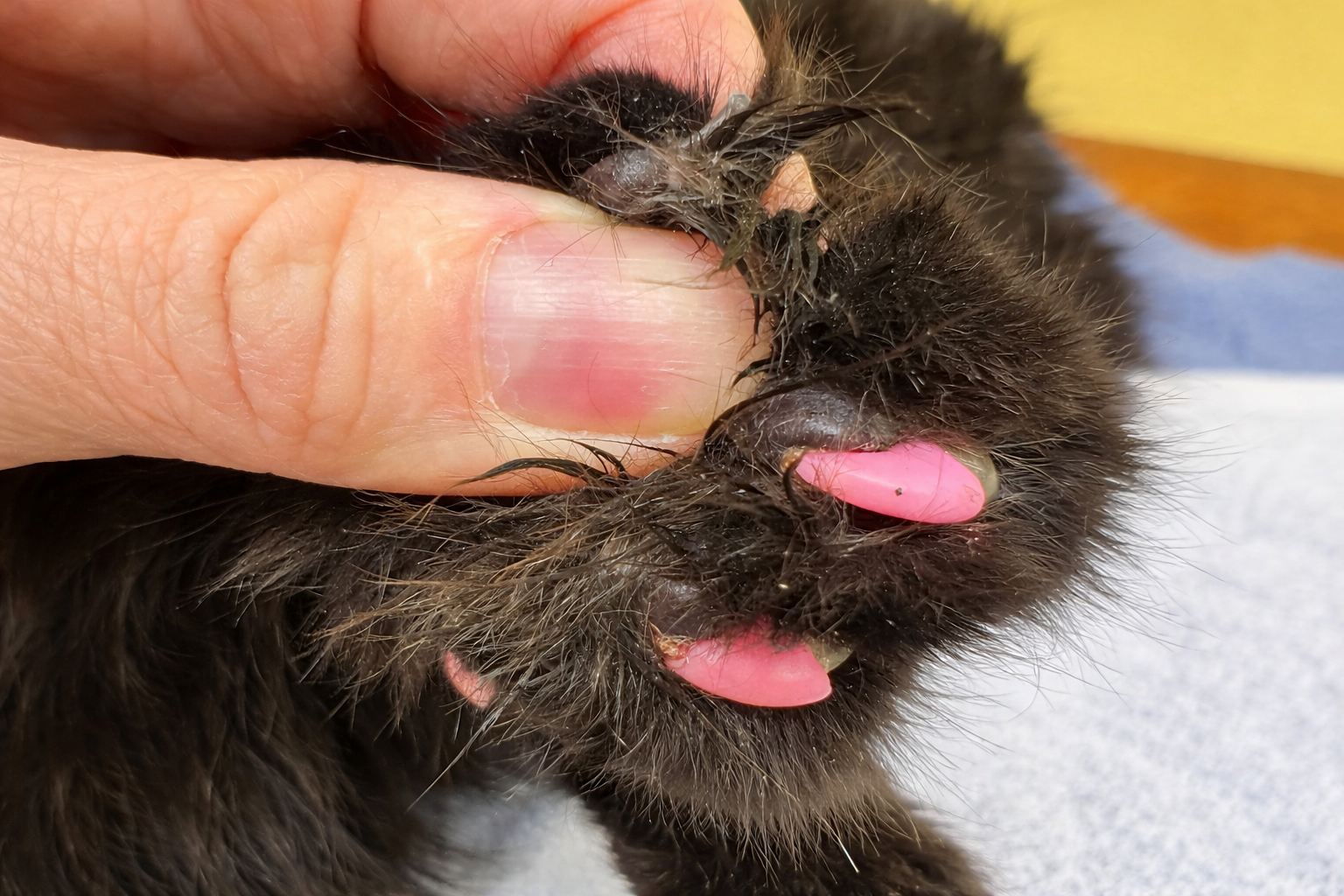
When caps stay on too long: hidden overgrowth, delayed detection, and deeper-than-expected pad injury pathways.
This is why caps require a strict schedule. Overgrowth can stay invisible until the claw has already punctured.
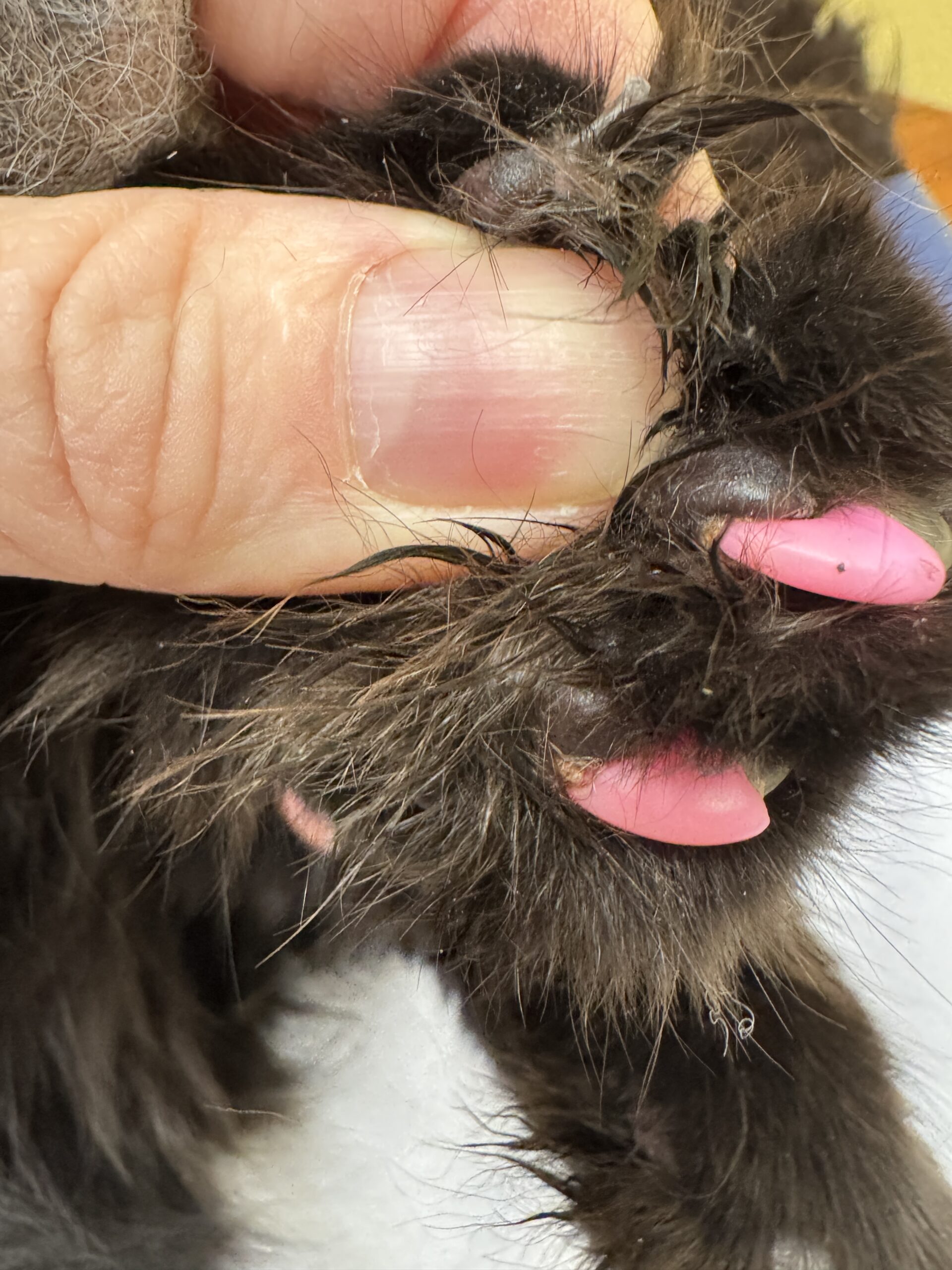
If you see any of the following, skip waiting and contact a professional urgently:
Spreading redness or warmth around a toe or pad.
Drainage, strong smell, bleeding, or crusting that worsens.
Refusal to bear weight or sudden, significant behavior change.
Fever, lethargy, or reduced appetite.
Claw growth isn’t one-size-fits-all. Age, activity, arthritis, and self-maintenance change the timeline. Here’s the rhythm that most reliably prevents penetration:
Many cats tolerate prevention trims calmly—but reach threshold once paws are already painful. Early trims protect the paw and protect trust.
Cats in the City • TANDEM Cat® Clinical Grooming
Nail trimming is often the first visible problem—but it’s rarely the only one. Overgrowth can show up alongside dewclaw risk, reduced mobility, coat buildup, hygiene strain, or handling sensitivity that makes routine care harder at home.
Use these links to jump to the page that fits what you’re seeing. If you’d rather start broad, visit Cat Grooming Services to compare maintenance visits, coat resets, senior support, and behavior-first care.
Tip: in your intake notes, tell us which paws are hardest, whether your cat tolerates handling, and how long it’s been since the last trim. We’ll choose the calmest, safest approach when we meet your cat.
These are the most common next steps we recommend when a guardian comes in for nails—especially when there’s overgrowth, stress, or repeated trimming difficulty at home.
Compare options across maintenance visits, coat resets, senior support, and behavior-first care.
Streamlined, maintenance-only trims in a walk-in style format (booking optional).
For cats who struggle with restraint: how we work with fear, sensitivity, and prior difficult care experiences.
Mobility-aware handling and slower pacing for older cats who can’t maintain claws the way they used to.
For cats with chronic conditions, pain, or limitations that change how paw care needs to be approached.
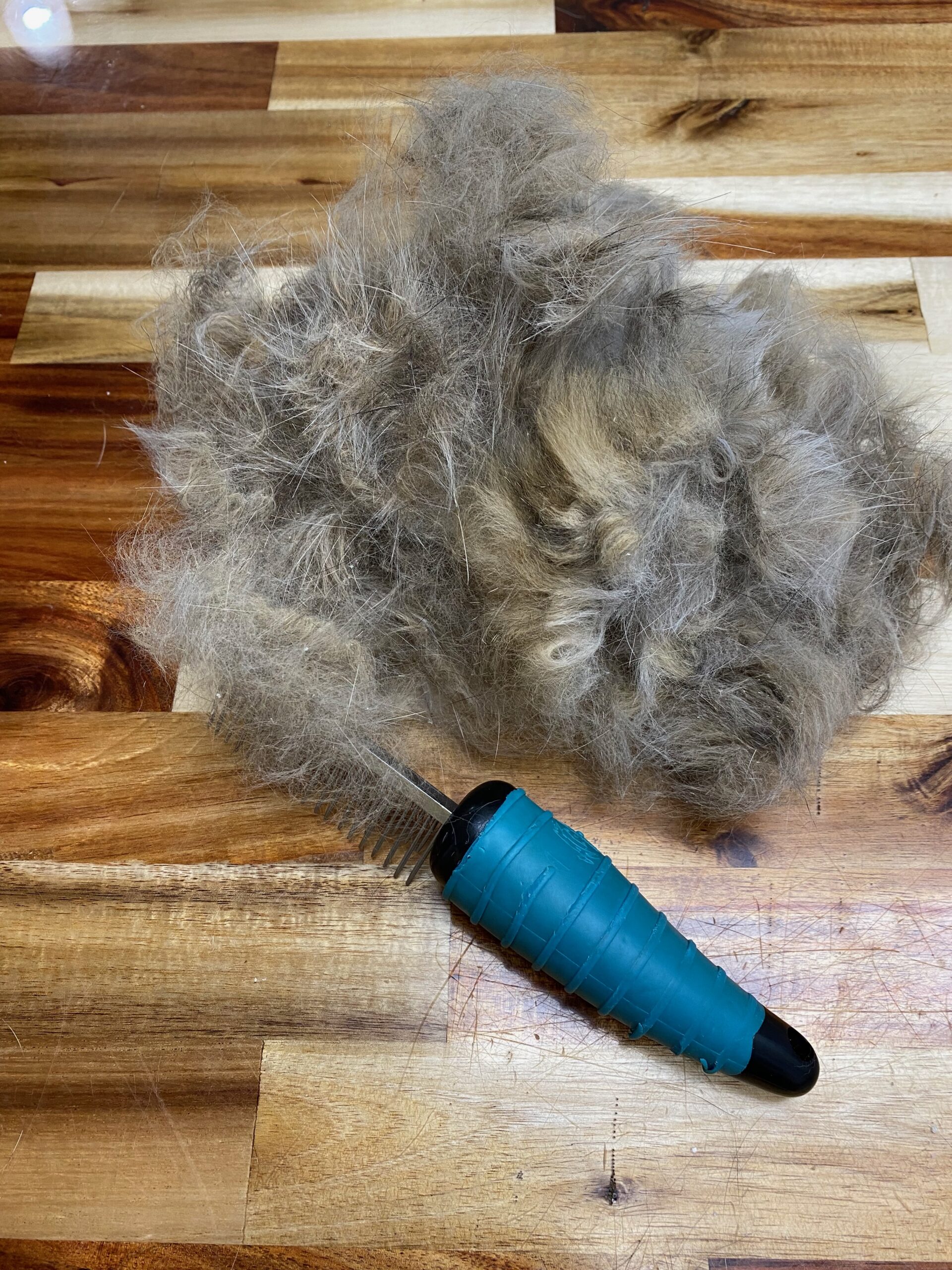
If nails are the appointment reason but coat burden is the comfort problem—release trapped undercoat and reduce buildup.
When coat tightness and movement restriction show up alongside claw issues, we address skin safety and release first.
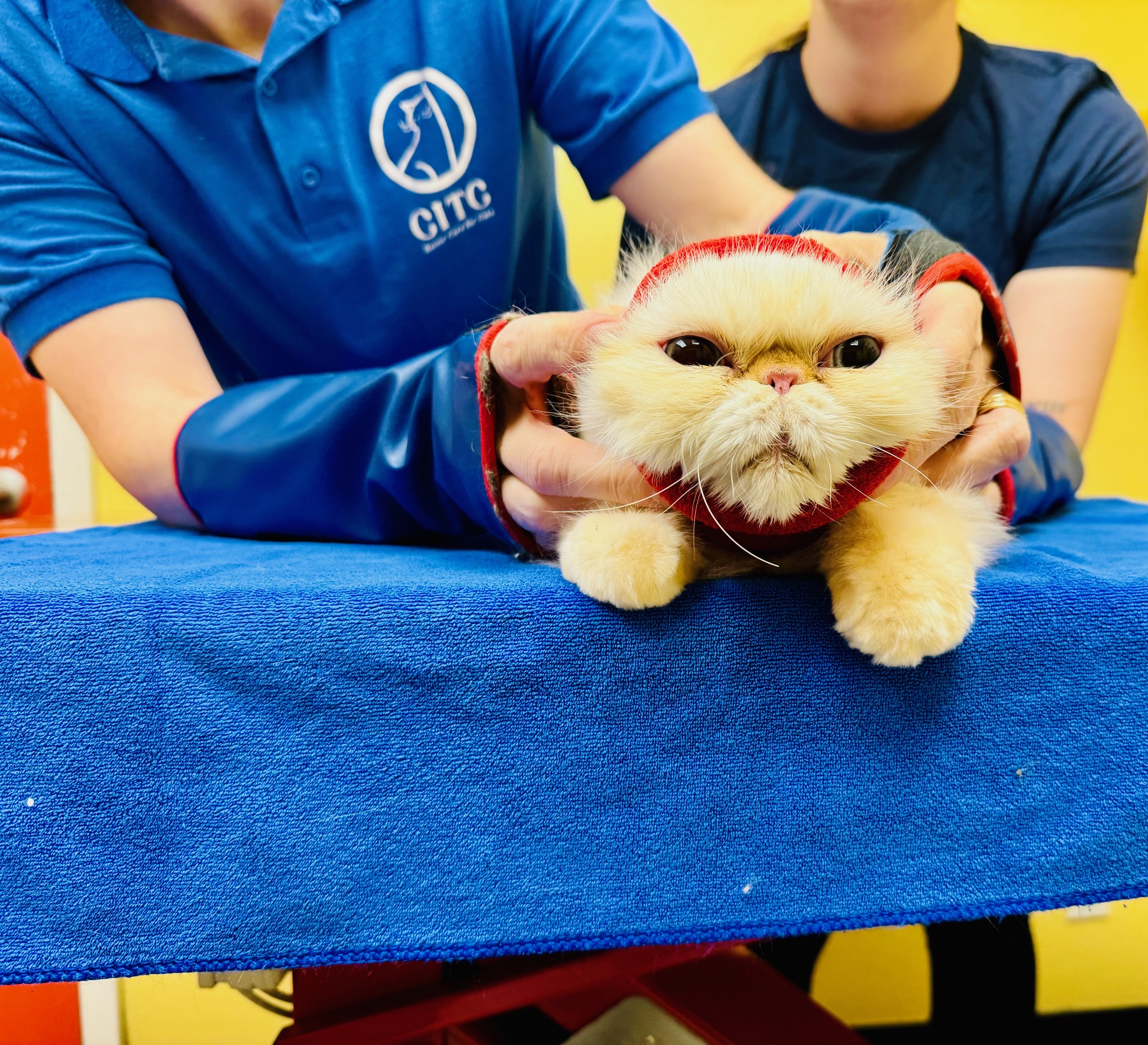
Why positioning and consent-aware handling matter—especially for paws, joints, and cats with boundaries.
We look at claw length, dewclaws, paw-pad contact risk, and your cat’s tolerance for touch. Some cats can complete all paws in one calm pass. Others need micro-breaks, fewer paws at a time, or a structured maintenance plan that prevents overgrowth without pushing past the stress threshold.
Learn more: Behavior-first handling →
Book online and tell us what you’re noticing—overgrowth, dewclaws, snagging, sensitivity, or past trim struggles. We’ll confirm the best plan when we see your cat.