Cat Paw Pad Ulcers From Overgrown Nails
Overgrown or embedded nails can create chronic pressure, puncture wounds, and eventually painful paw pad ulcers. These injuries are often hidden until mobility changes. Understanding how they form helps prevent escalation.
How Overgrown Nails Create Ulcers
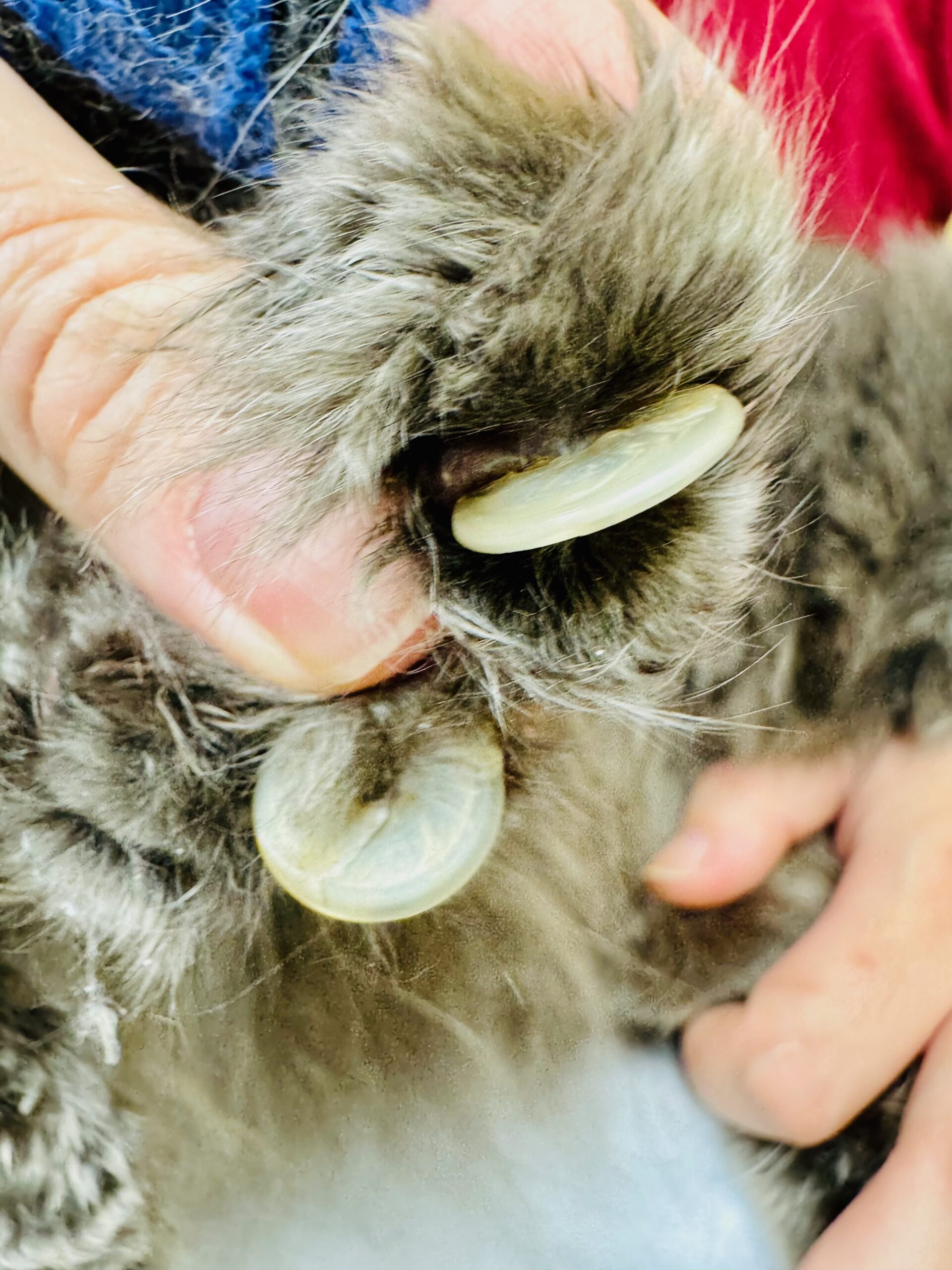
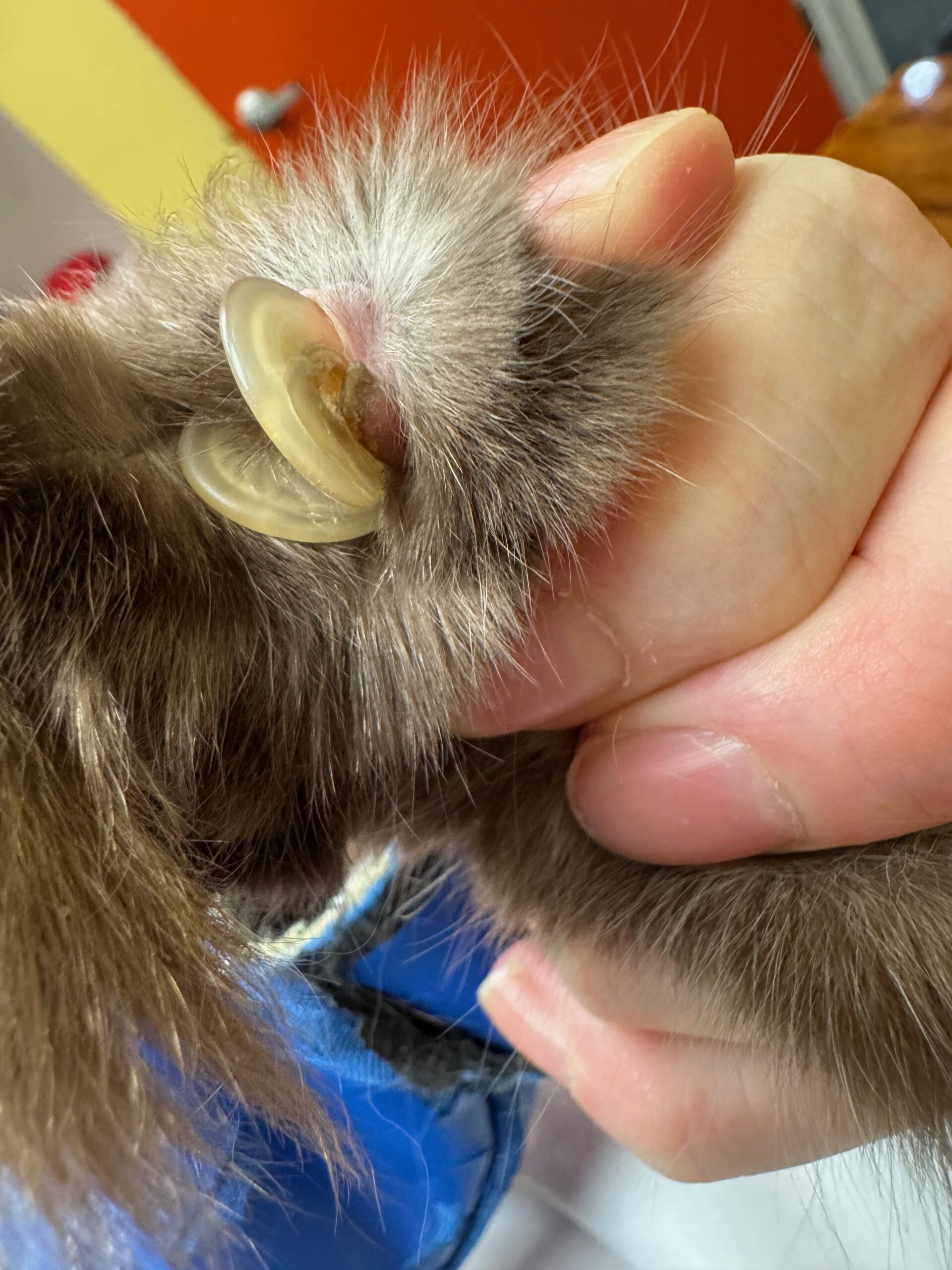
When a claw curls inward (often forming a circular “disc claw”), it presses continuously against the paw pad. Constant pressure reduces circulation, irritates tissue, and may lead to penetration. Once the skin barrier breaks, bacteria can enter and create infection.
- Pressure indentation becomes tissue breakdown
- Puncture wound forms beneath nail tip
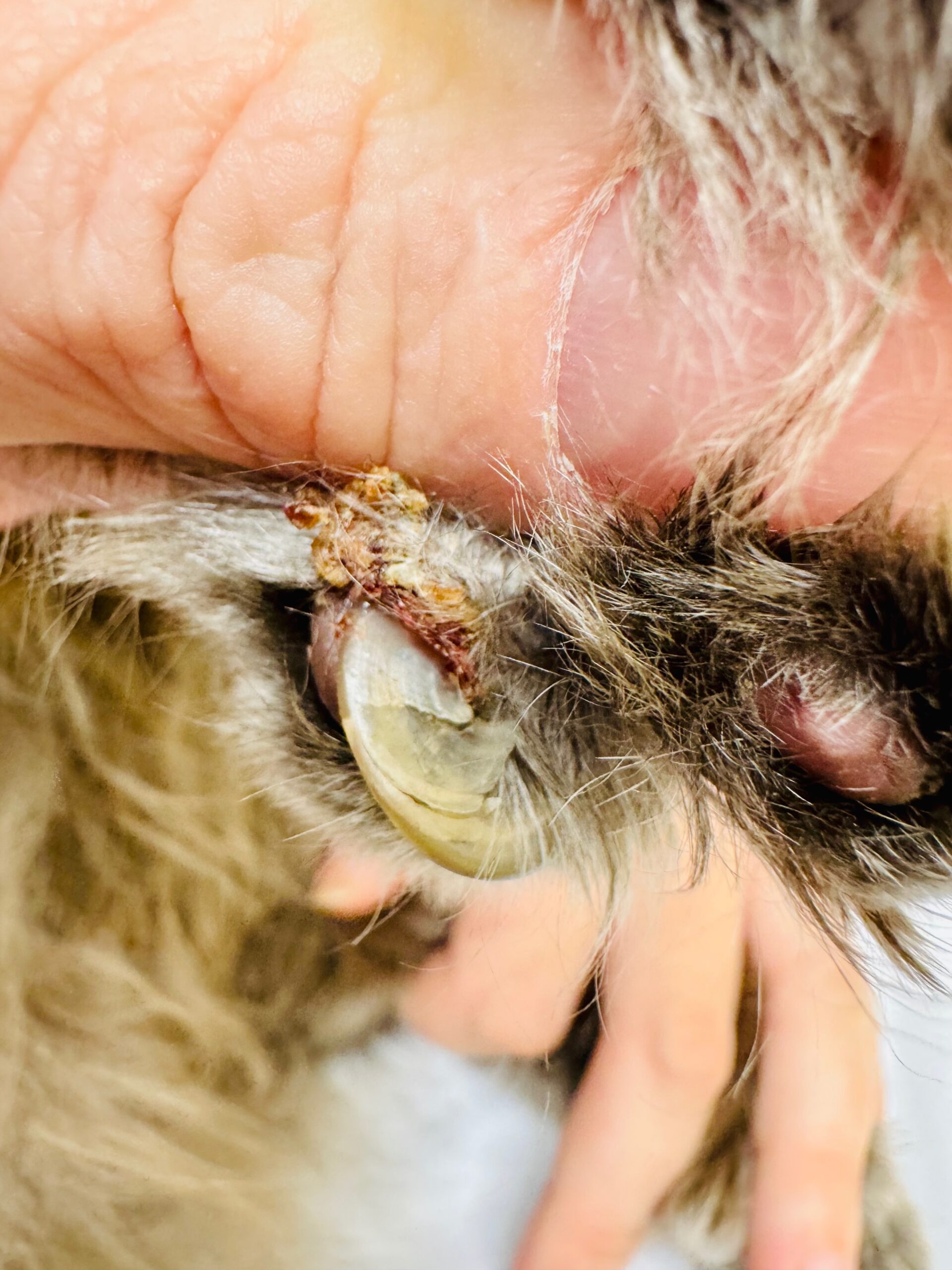
- Inflammation, swelling, and crusting develop
- Ulceration may deepen without intervention
Warning Signs of Paw Pad Ulcers
- Limping or reluctance to jump
- Excessive paw licking
- Swelling, redness, heat
- Crusting or discharge
- Visible nail tip disappearing into tissue
After Removal: What an Ulcer Looks Like

Clinical Approach
- Controlled, stabilized paw handling
- Safe nail release with minimal tissue trauma
- Sterile flushing of ulcer tract
- Aftercare instructions tailored to wound depth
- Veterinary referral when infection or systemic signs are present
When This Requires Immediate Care
- Rapid swelling or spreading redness
- Strong odor or discharge
- Fever or lethargy
- Refusal to bear weight
- Multiple affected paws
TANDEM Cat® is a registered trademark. Educational content only. Always consult your veterinarian for medical concerns.
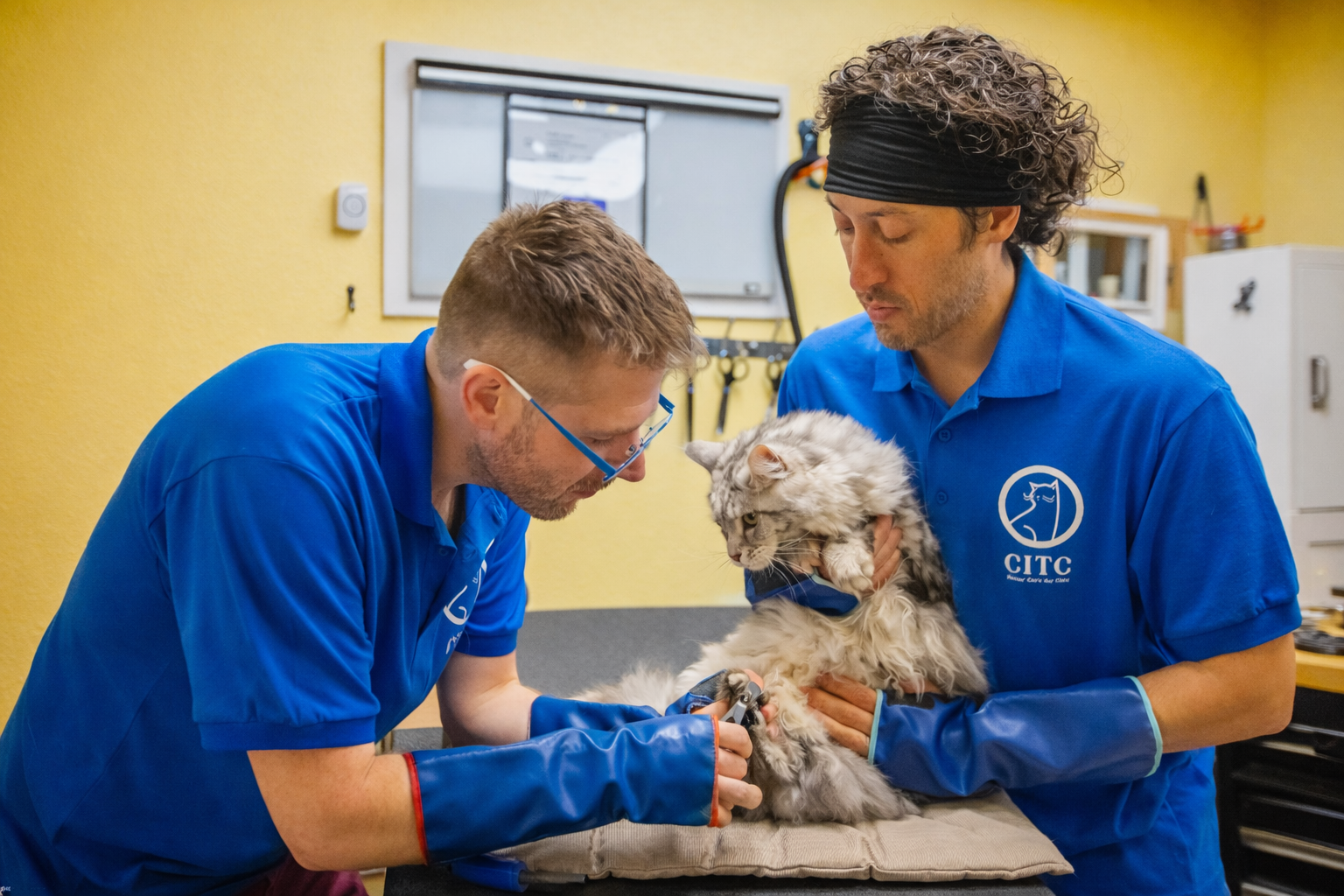
Embedded Claw Trim (Hub)
Start here: what embedded claws are, what they look like, and which page matches your cat’s situation.
Open the hub →
Ingrown Cat Nails: Early Detection
How to catch pressure, curling, and paw guarding before the nail punctures the pad.
Read early detection →
Embedded Claw Removal (Non-Sedated)
What we assess, when non-sedated is appropriate, sterile flushing, aftercare, and referral triggers.
See removal approach →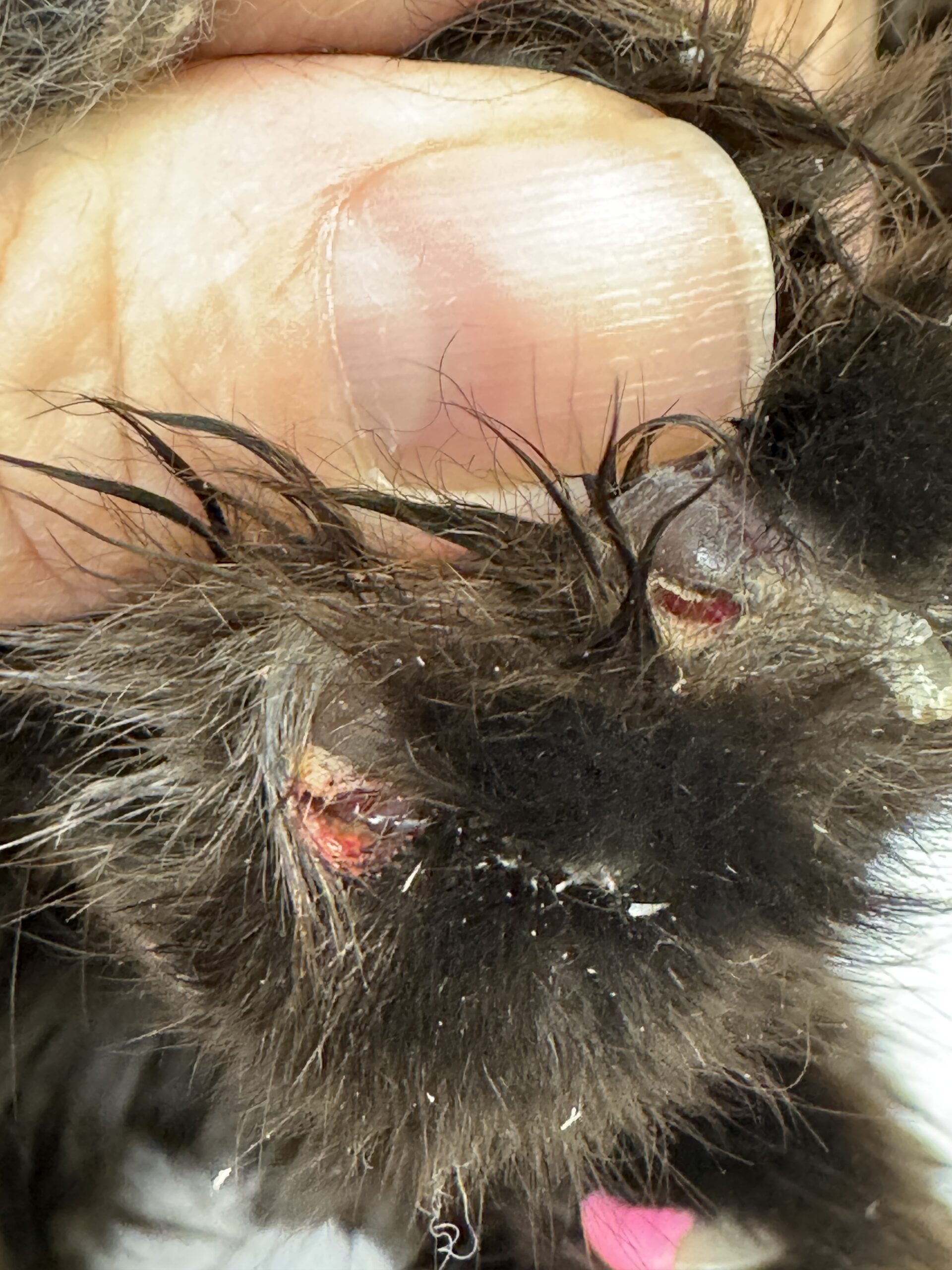
Paw Pad Ulcers From Overgrown Nails
Why pad ulcers form, how they present, and why puncture wounds need respectful monitoring.
Learn about pad ulcers →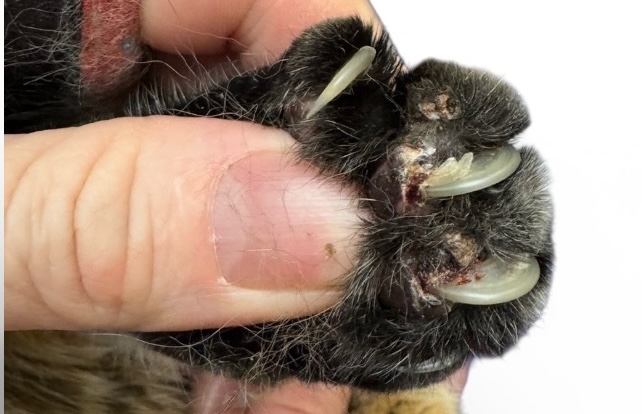
Senior Cat Overgrown Claws & Arthritis Correlation
Why reduced mobility leads to curling/embedding, and how routine trims prevent “walking on claws.”
Read senior-claw guide →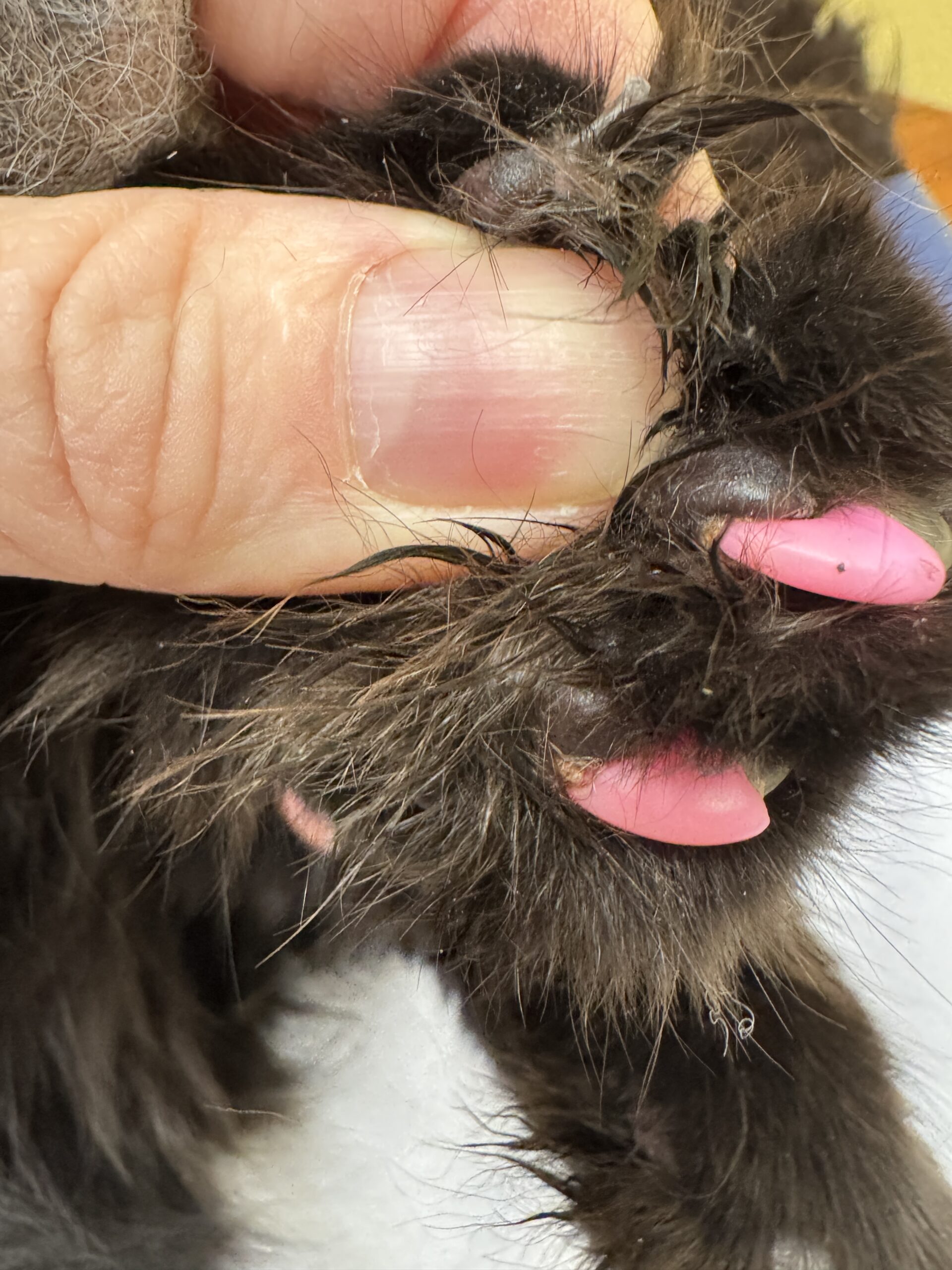
Soft Paws™ & Ingrown Claws
How nail caps can hide overgrowth, what to watch for, and safer scheduling if you reapply.
Read Soft Paws guidance →Educational content only. If you see swelling, discharge/odor, persistent limping, or significant pain, contact your veterinarian urgently.