
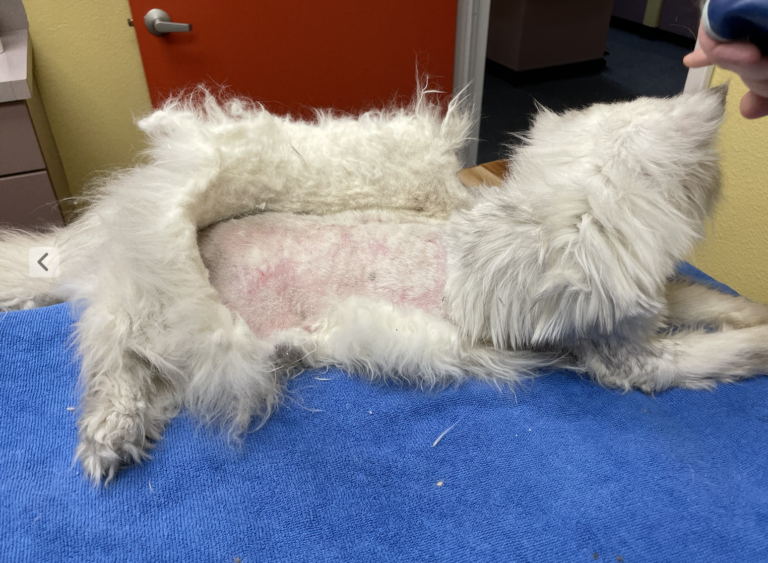
Liberation from a Full-Body Pelt (Level 4 Severe Matting) — Awake, Non-Sedated Case Study
People search “severe matting” and imagine a grooming issue. A true full-body pelt is different. It’s a fused, felted shell that can trap heat, limit skin airflow, bind movement, and compress contamination against the body. This case shows what it looks like when an intact pelt shell is removed awake using trauma-informed TANDEM Cat® technique— with strict blade-heat safety, decompression pacing, and two-person team choreography built for fragile cats.
Educational case study. Not medical advice. If your cat is lethargic, painful, not eating, or you suspect dehydration/infection, contact your veterinarian urgently.
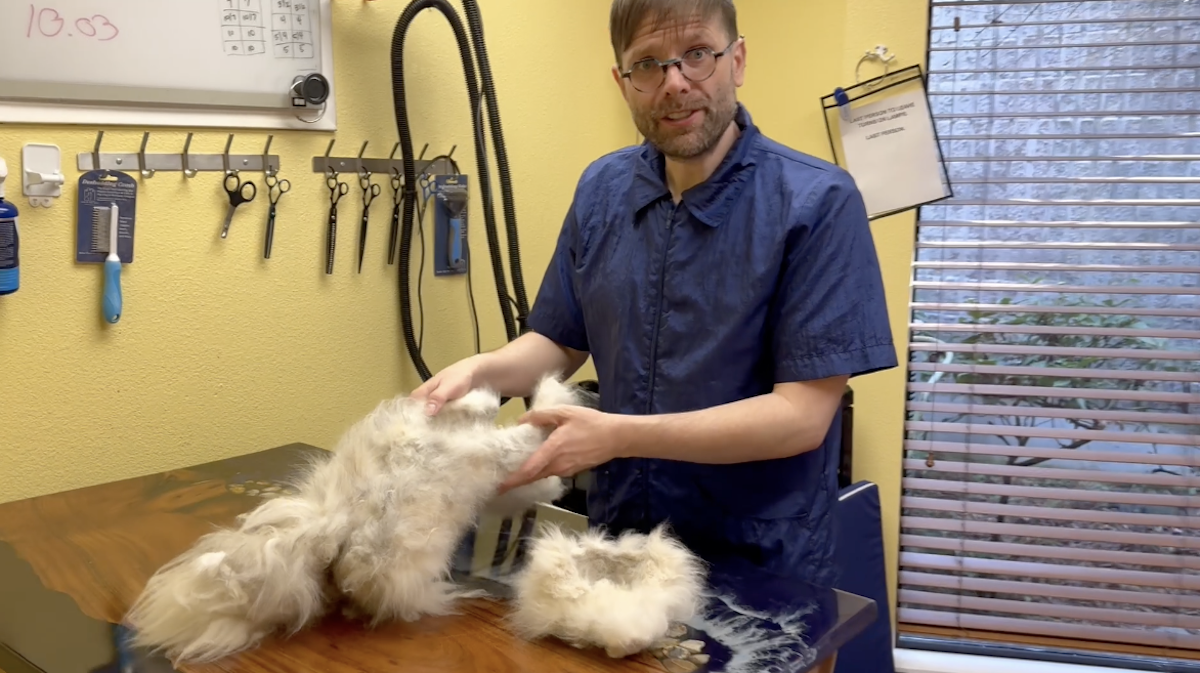
Video: Explanation of the Full-Body Pelt Removal (Awake)
Intact pelt shell removed from a fully felted cat (head-to-tail pelting including facial ring). Performed awake using advanced TANDEM Cat® clinical grooming technique in Portland.
Case snapshot (anonymized)
- Patient: Persian cat (female, spayed)
- Age: 4 years
- Body weight: 6 lb (2.7 kg)
- Presentation: end-stage full-body pelting with restricted movement and coat contamination risk
- Clinical concerns: underweight, dehydration concern, muscle wasting, skin fragility
- Family request: sedation-free option (risk concerns + fragile presentation)
A cat in this condition often arrives in a shutdown pattern: less movement, less grooming, lower resilience. Our first job is to stabilize the experience: lower the environment, slow the pace, and build enough safety that the cat can tolerate liberation.
How we do this safely without sedation
Awake pelt removal requires a different mindset than “finishing a groom.” Our system is built around precision release, skin protection, and nervous-system pacing—especially for cats who are underweight, dehydrated, frail, or easily overwhelmed.
1) Team choreography (two-person handling)
One practitioner becomes the cat’s stability system: posture support, joint protection, breathing and signal tracking. The second practitioner performs controlled sectioning and release. This reduces restraint, reduces torque, and protects fragile skin.
2) Blade-heat and tissue safety (non-negotiable)
Thermal injury is one of the most preventable risks in severe matting cases. In Level 4 pelting, dense felted coat increases friction and heat generation, so active blade cooling and temperature monitoring are essential.
- Continuous forced-air blade cooling system: a state-of-the-art airflow system runs across the clipper head during active work, dispersing friction heat in real time and stabilizing blade temperature during prolonged sectioning.
- Manual temperature verification: when continuous airflow is not possible (angle changes, detail work), blade temperature is checked approximately every 30 seconds against bare wrist skin to confirm safe operating range.
- Frequent blade rotation: multiple sterile blades are cycled throughout the procedure to eliminate cumulative heat buildup.
- Directional sectioning: the casing is released in controlled planes to prevent lifting, torque, or sudden separation that could injure fragile skin.
- Manual skin stabilization: skin is flattened and supported over folds and bony landmarks to prevent catching, shearing, or micro-tearing.
In frail, underweight, or dehydrated cats, tissue tolerance is reduced. Thermal management is not an enhancement—it is a safety requirement.
3) Decompression pacing (the cat sets the speed)
In fragile cats, liberation itself is a physiologic event. We pause for regulation, reposition with consent, and stop early if the cat is nearing their limit. Safety is what we protect—not a perfect finish.
Case images (with clinical context)


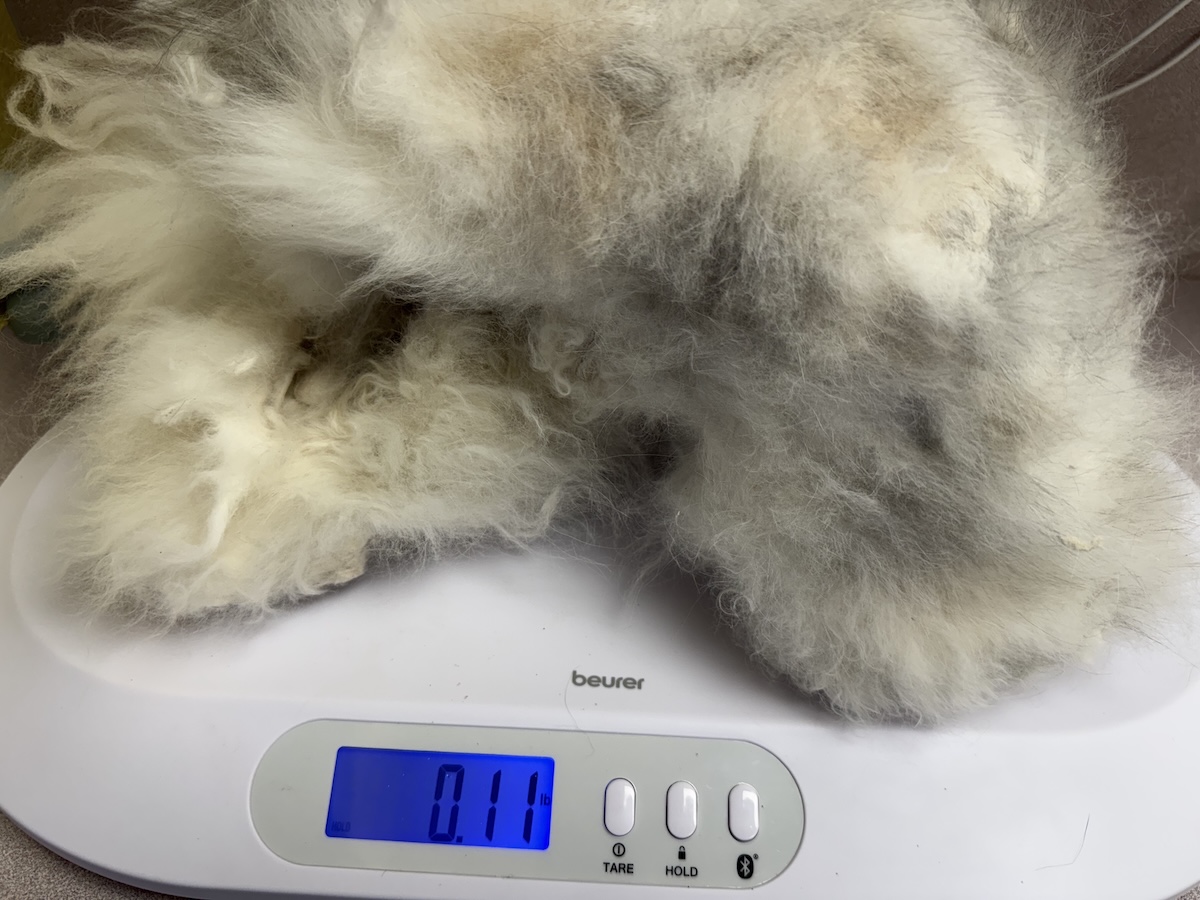

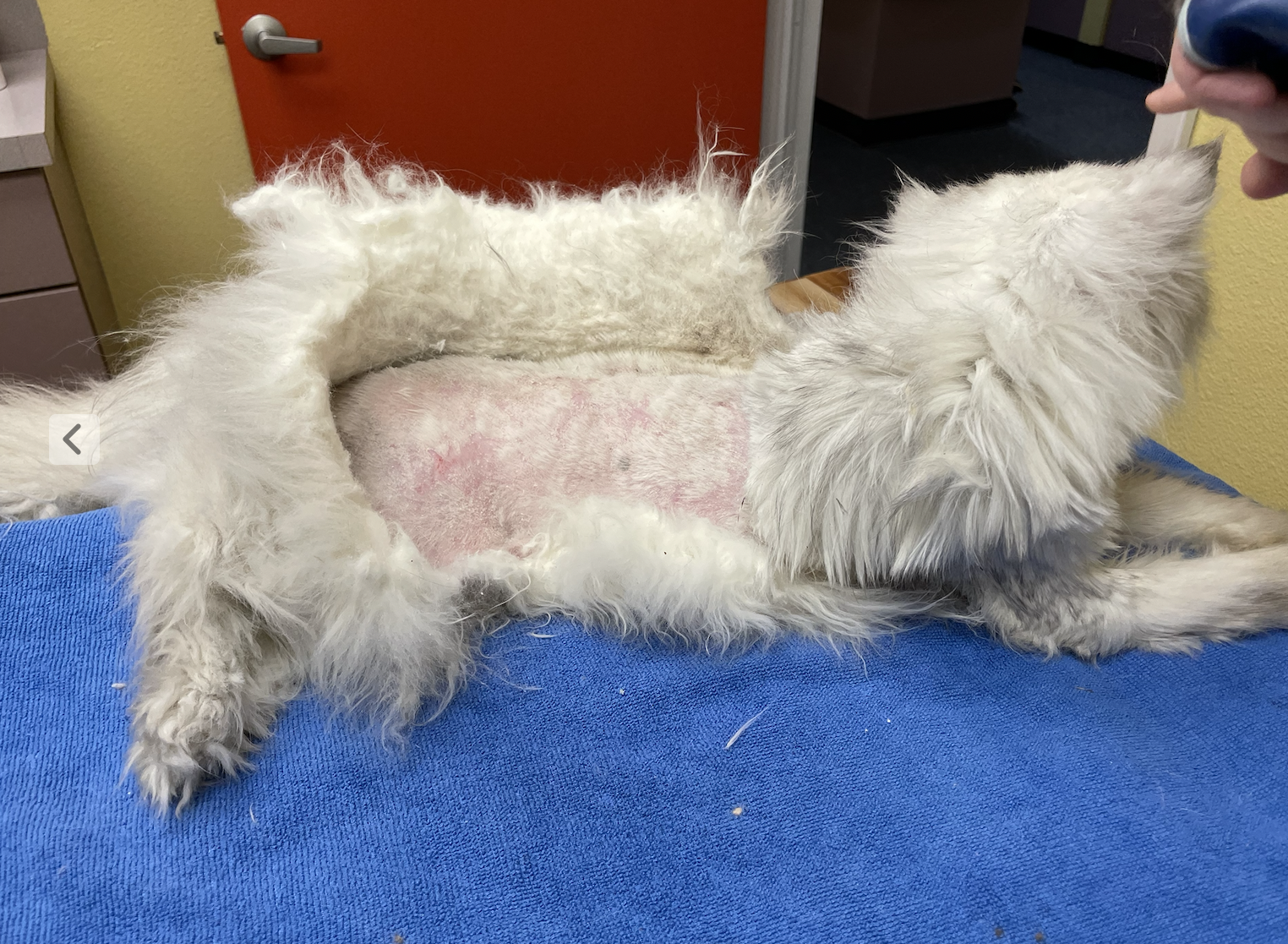
FAQ: Full-body pelting and severe matting
Is pelt removal the same as a shave?
Not always. In true casing pelts, the coat behaves like a rigid shell. Safe removal often requires sectioning and controlled release rather than a fast “clip down.”
Do you always do this awake?
No. Some cats require veterinary sedation for safety. This case shows what can be possible when sedation is not a viable option and when the cat’s signals allow. We’ll recommend the safest path for the cat in front of us.
How do you prevent clipper burns?
We use strict heat checks, frequent blade changes, and pacing. Heat injuries are preventable when protocols are treated as non-negotiable.
How do we keep matting from coming back?
After a Level 4 reset, the goal is to avoid ever needing an emergency pelt removal again. We typically recommend a tight reassessment window and a maintenance plan based on coat type, contamination exposure, self-grooming capacity, and any medical drivers.
Related reading: clinical cat grooming, coat contamination, what your fee funds.
TANDEM Cat® is a registered trademark. TANDEM Touch™ is a trademark. © 2026 Cats in the City. All rights reserved.
Full-Body Pelt Removal (Awake / Non-Sedated)
Controlled sectioning, strict heat management, decompression pacing, and two-practitioner choreography.
Read the case study →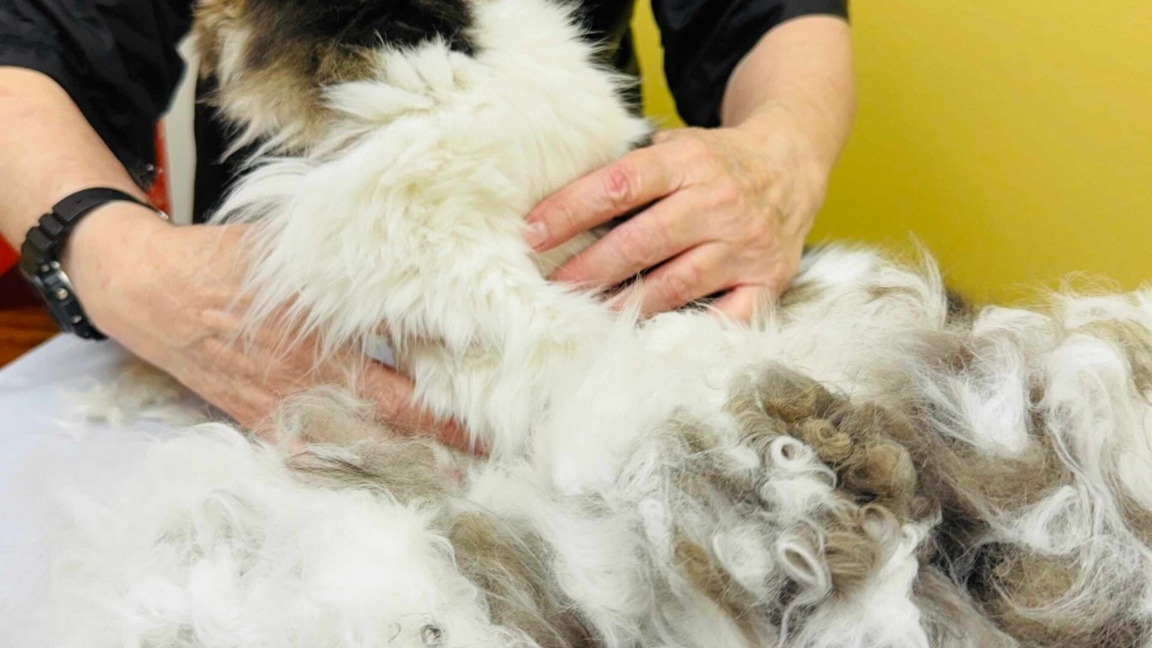
Severe Matted Cat in Portland: Medical Considerations
Underweight, dehydrated, cardiac, senior, shutdown: how we adjust pacing, noise, touch pressure, and duration.
Read the guide →
The Last Gift®: Senior & Hospice Comfort Grooming
Dignity-first hygiene support, mat relief where it matters most, and low-stimulus pacing for tender time.
Learn about The Last Gift® →