Stillness is not the default measure of safety, trust, or regulation.

Cats in the City | TANDEM Cat® Clinical Grooming
TANDEM Cat® did not begin as an efficiency idea or as a special technique for a small group of “difficult” cats. It began with a structural question: if one person does not have enough hands to support a moving cat and perform precise grooming at the same time, why should the cat absorb the consequences of that staffing limitation?

Grooming pathway router
Choose the concern closest to yours. We’ll route you to the most useful service, education, case study, or professional resource.
Choose a pathway above
Your recommended TANDEM Cat® resources will appear here.
The origin of TANDEM Cat®
The original problem was not that cats were unusually difficult. The problem was that conventional solo grooming expected one person to control the body, monitor the cat, manage movement, protect the skin, and operate equipment simultaneously.
TANDEM Cat® began with a refusal to make the cat compensate for that mechanical mismatch. Rather than increasing physical control until the cat became manageable with the hands available, the model added skilled hands and divided the work.
One practitioner can stay responsible for body support, positioning, communication, and continuous observation. The other can focus on the precision task. Both remain responsive to the same cat, in the same moment.
Eighteen years of practice added choreography, anticipatory handling, natural positioning, dynamic changes in contact pressure, and the ability to reduce support as the cat settles. Those refinements grew from one foundational rule: do not overpower the cat to compensate for having too few hands.
Normal feline behavior
Movement, withdrawal, orientation, startle, and protection of vulnerable anatomy are ordinary feline responses. A care system should be able to work with those responses without automatically treating them as misconduct or failure.
Stillness is not the default measure of safety, trust, or regulation.
Protective movement can be information rather than defiance.
Cats reorient toward touch, sound, equipment, and vulnerable areas.
Guarding exposed anatomy is a normal survival response.
Sound, vibration, airflow, and sudden contact can change body state quickly.
Controlling one limb changes what the remaining body must do.
Tolerance changes with pain, age, fear, fatigue, coat burden, and prior experience.
Behavior during care is body language, not an interruption of the task.
Task architecture
A solo practitioner can be skilled, patient, and compassionate while still being asked to solve several competing physical problems with the same two hands. TANDEM Cat® changes who is responsible for each part of the interaction.
Solo role concentration
The practitioner may need to position, restrain, observe, protect anatomy, operate tools, and respond to movement simultaneously.
TANDEM Cat® role distribution
One practitioner supports and reads the cat while the other performs the precision task inside that support structure.
What two people make possible
The team is not simply adding another pair of hands. It is creating distinct roles that can remain coordinated without collapsing into a single struggle for control.
Maintain contact, protect posture, organize movement, support vulnerable anatomy, and communicate through touch and pacing.
The support role stays with the cat.Focus on skin folds, coat planes, clipper angles, combing, bathing, claw care, and the exact intervention the body requires.
The task role stays precise.Read respiration, muscle tone, stillness, orientation, fatigue, escalation, recovery, and the changing tolerance window together.
The plan can change in real time.Eighteen years of refinement
Once overpowering the cat was no longer the default solution, the team had to solve the mechanical problems another way.
Practitioners coordinate movement, tools, body access, and transitions rather than working as separate actors.
The body is supported in positions that better account for joints, breathing, balance, and feline movement.
Small changes in tone and orientation can be felt before they become larger movement.
Contact is adjusted continuously instead of applying one fixed hold throughout the groom.
Support is reduced as the cat settles rather than treating maximum control as the safest endpoint.
A visual route through the Cat Grooming Guide
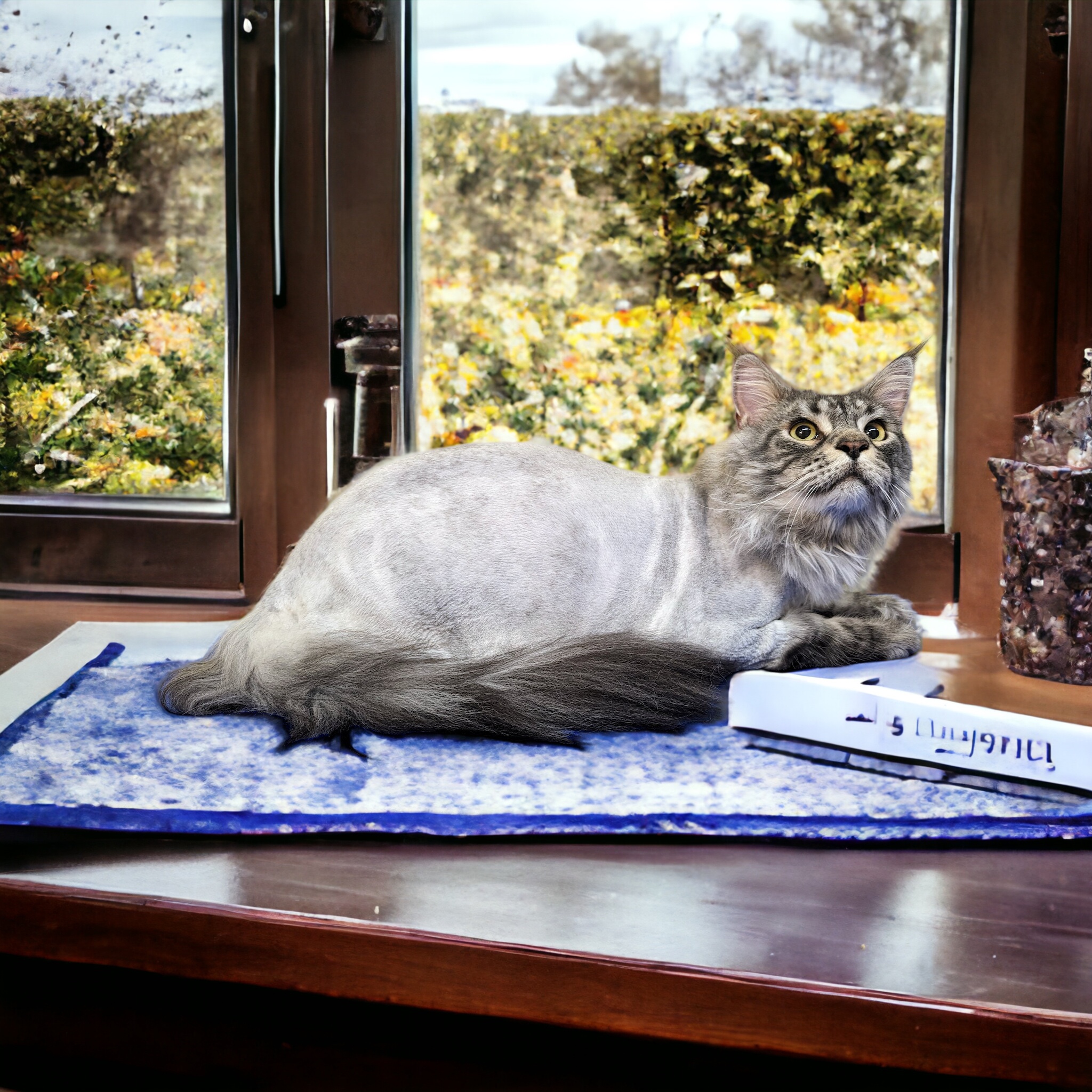
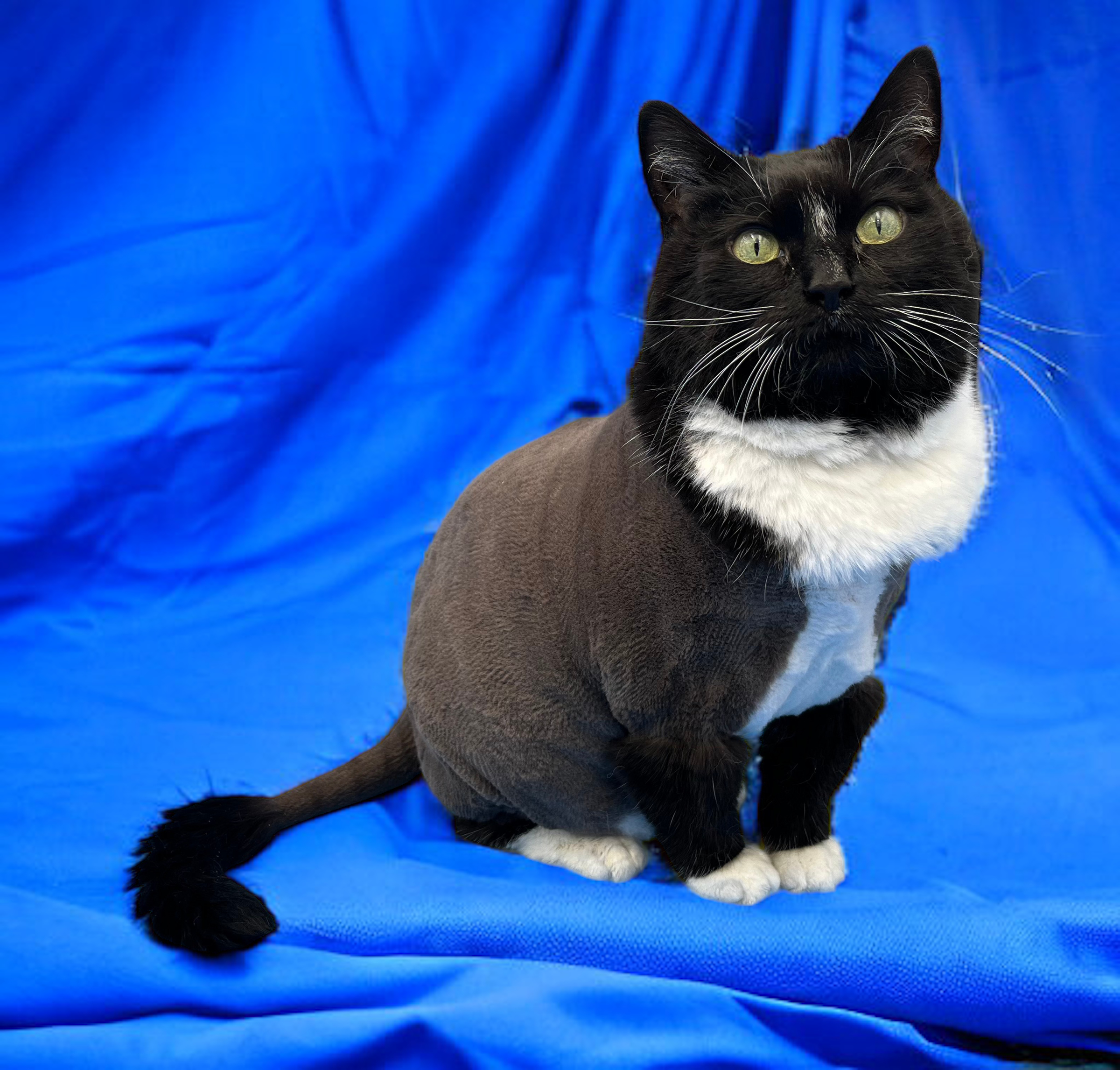
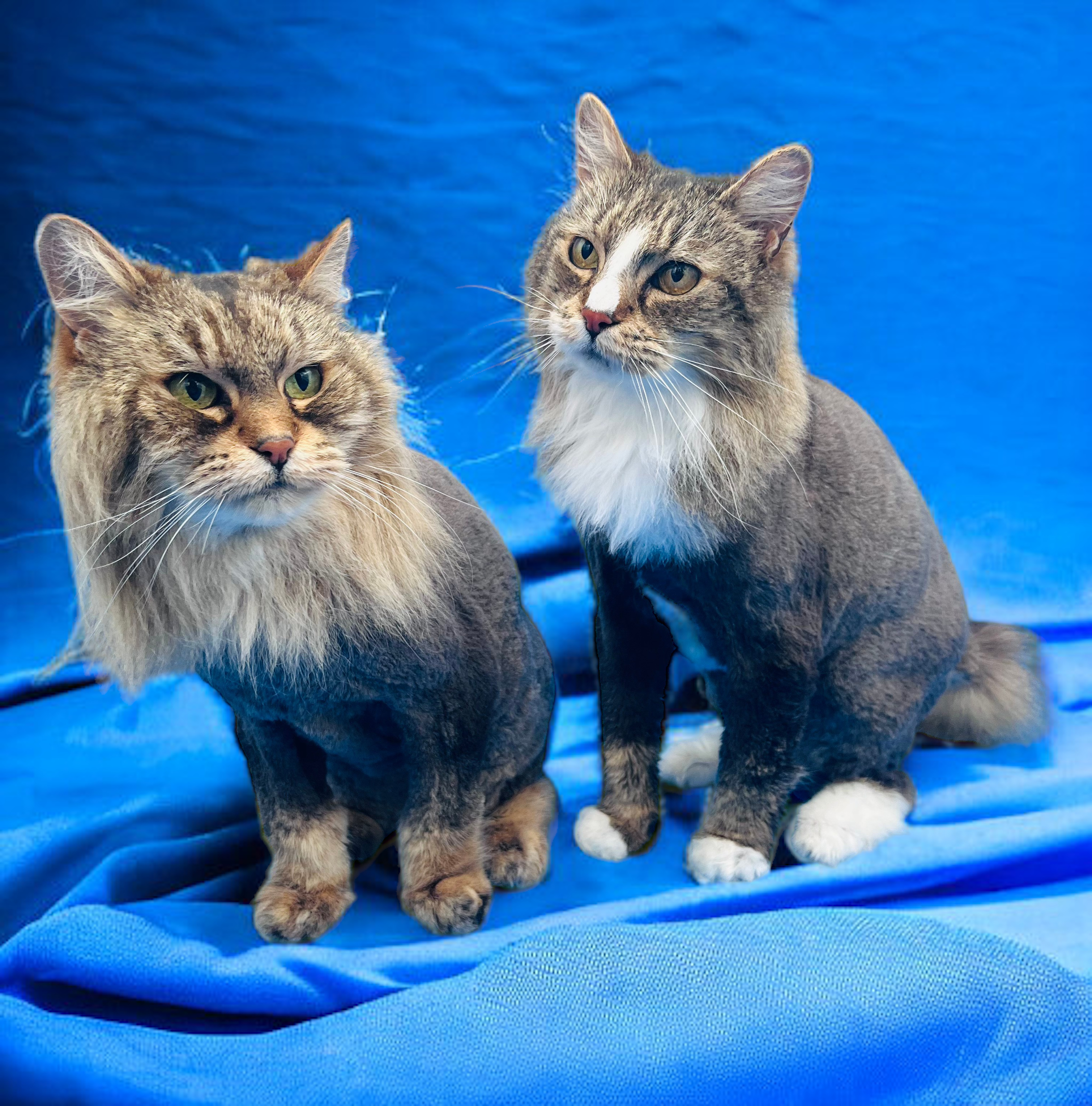
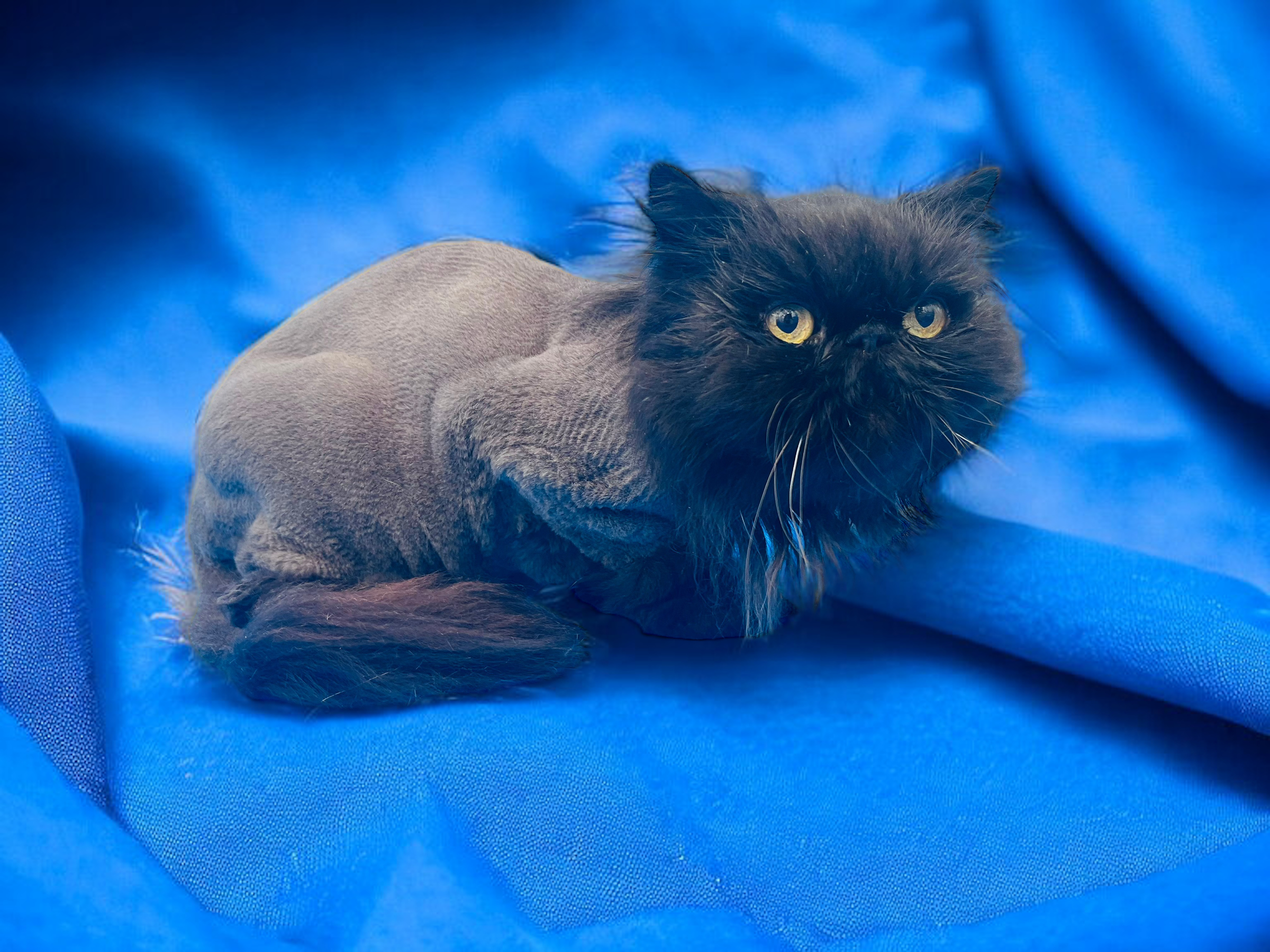
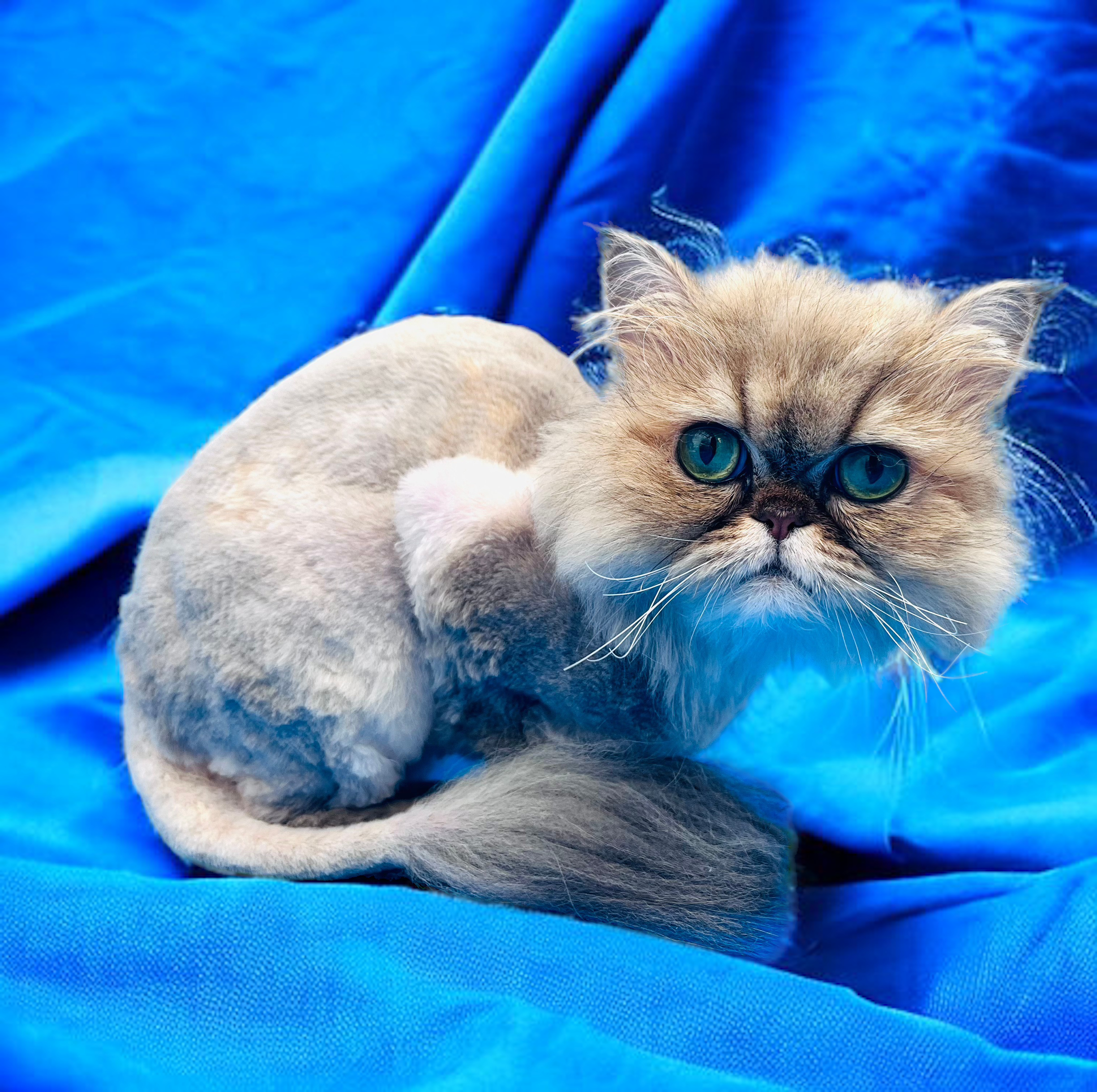
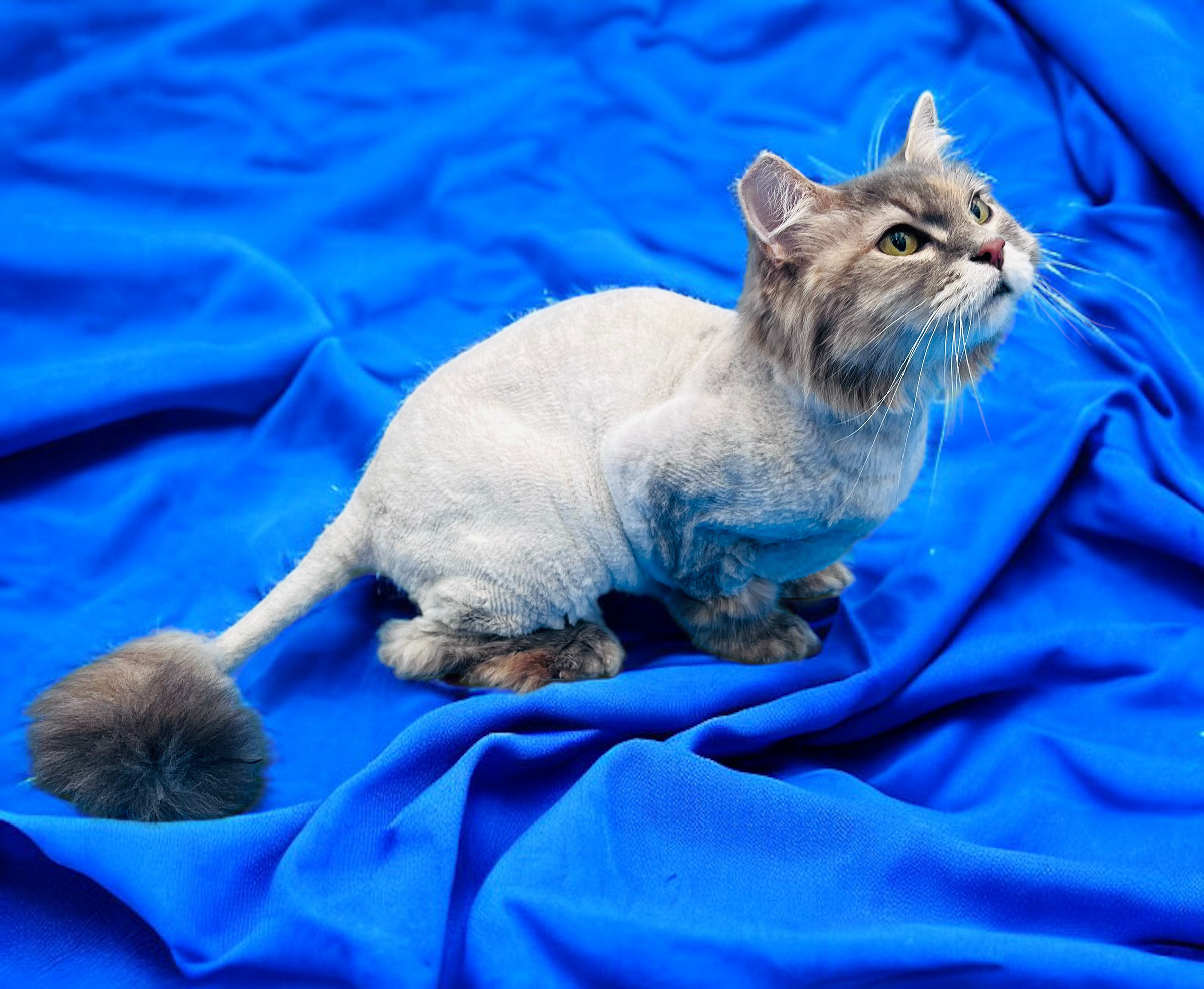
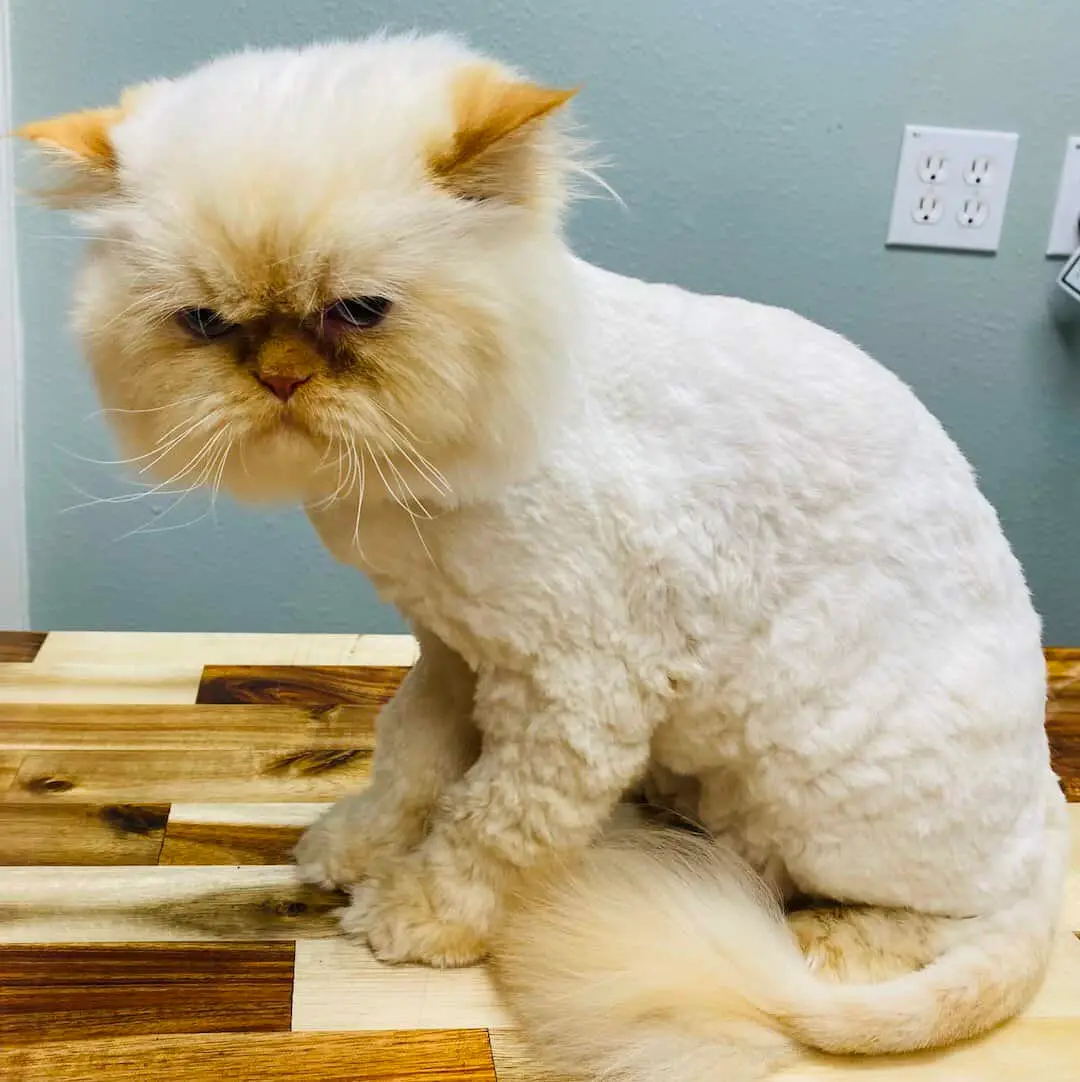
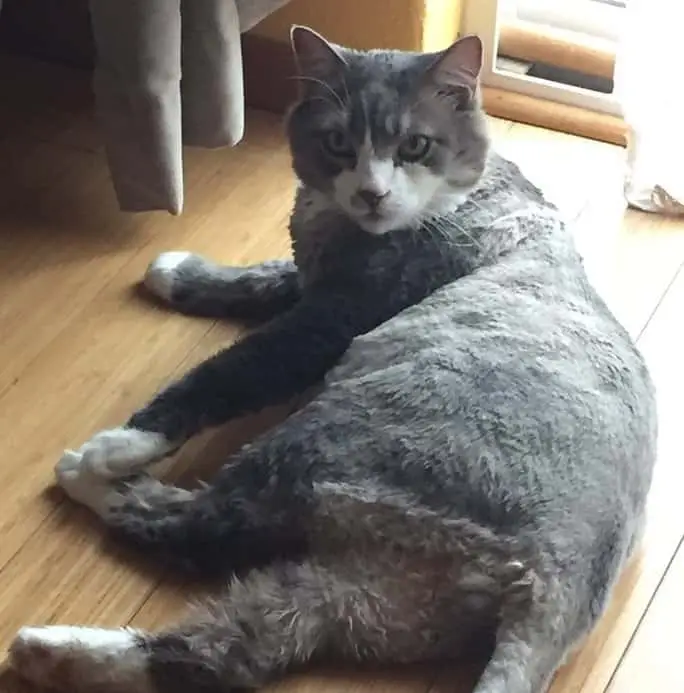
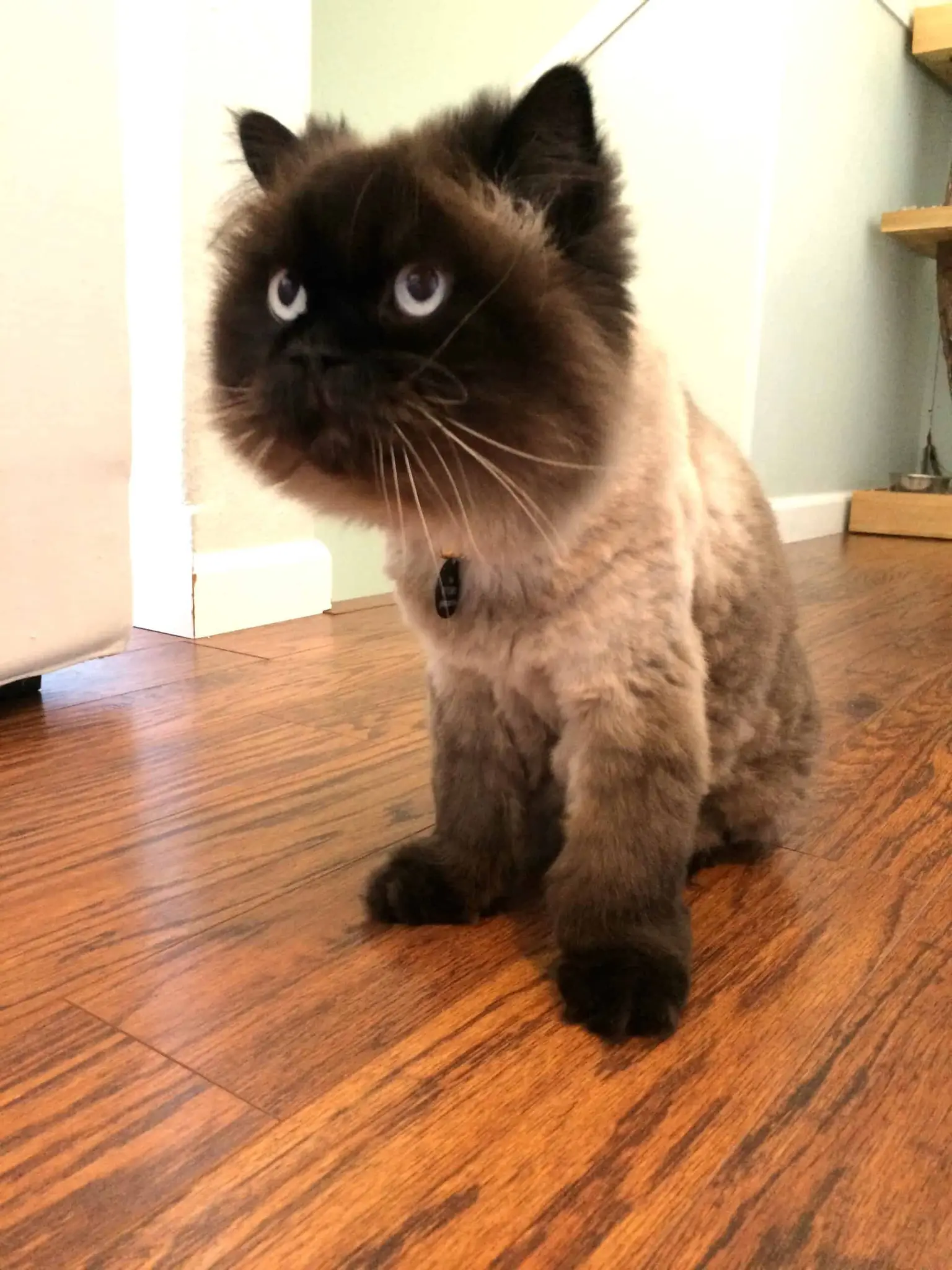
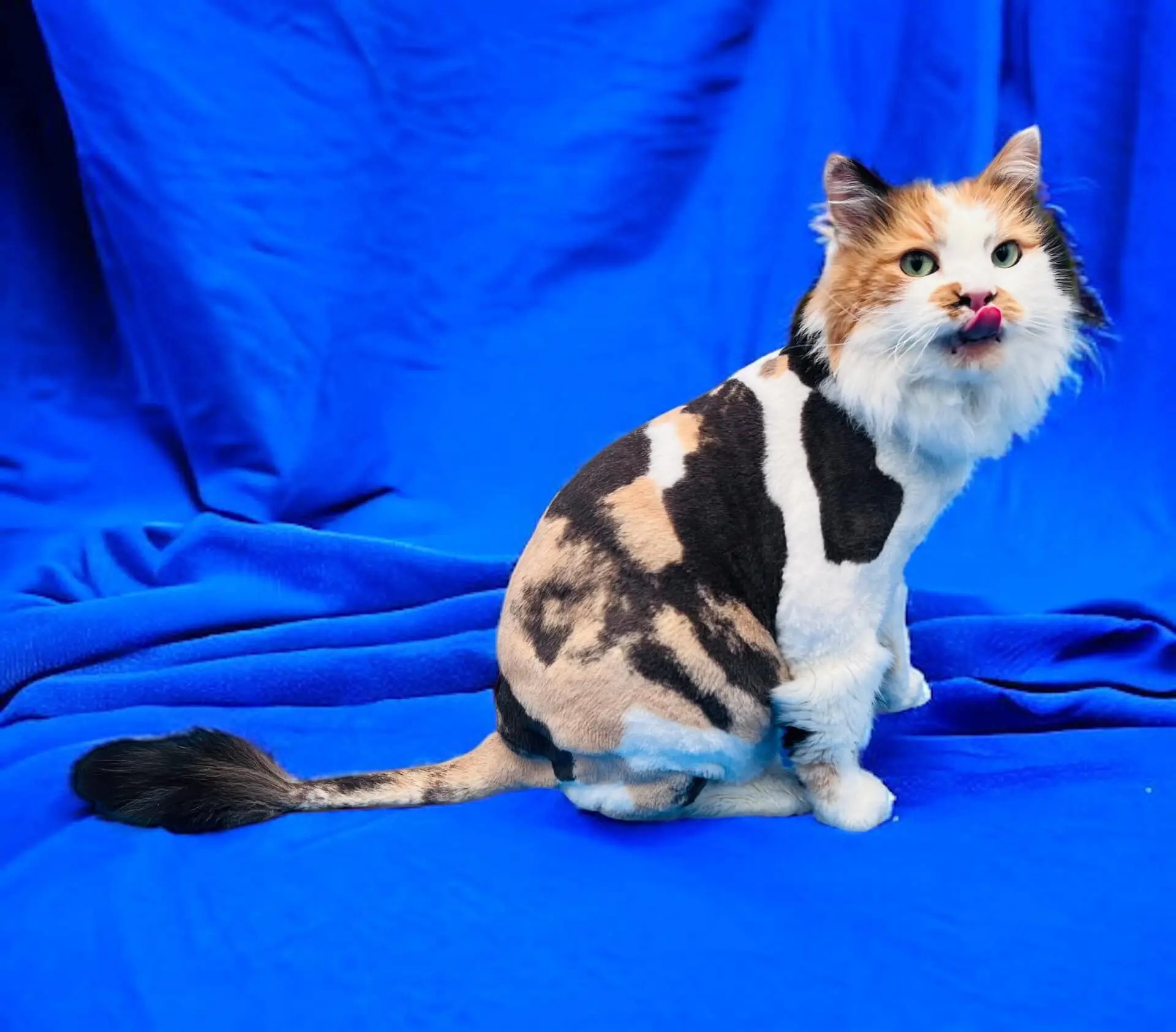
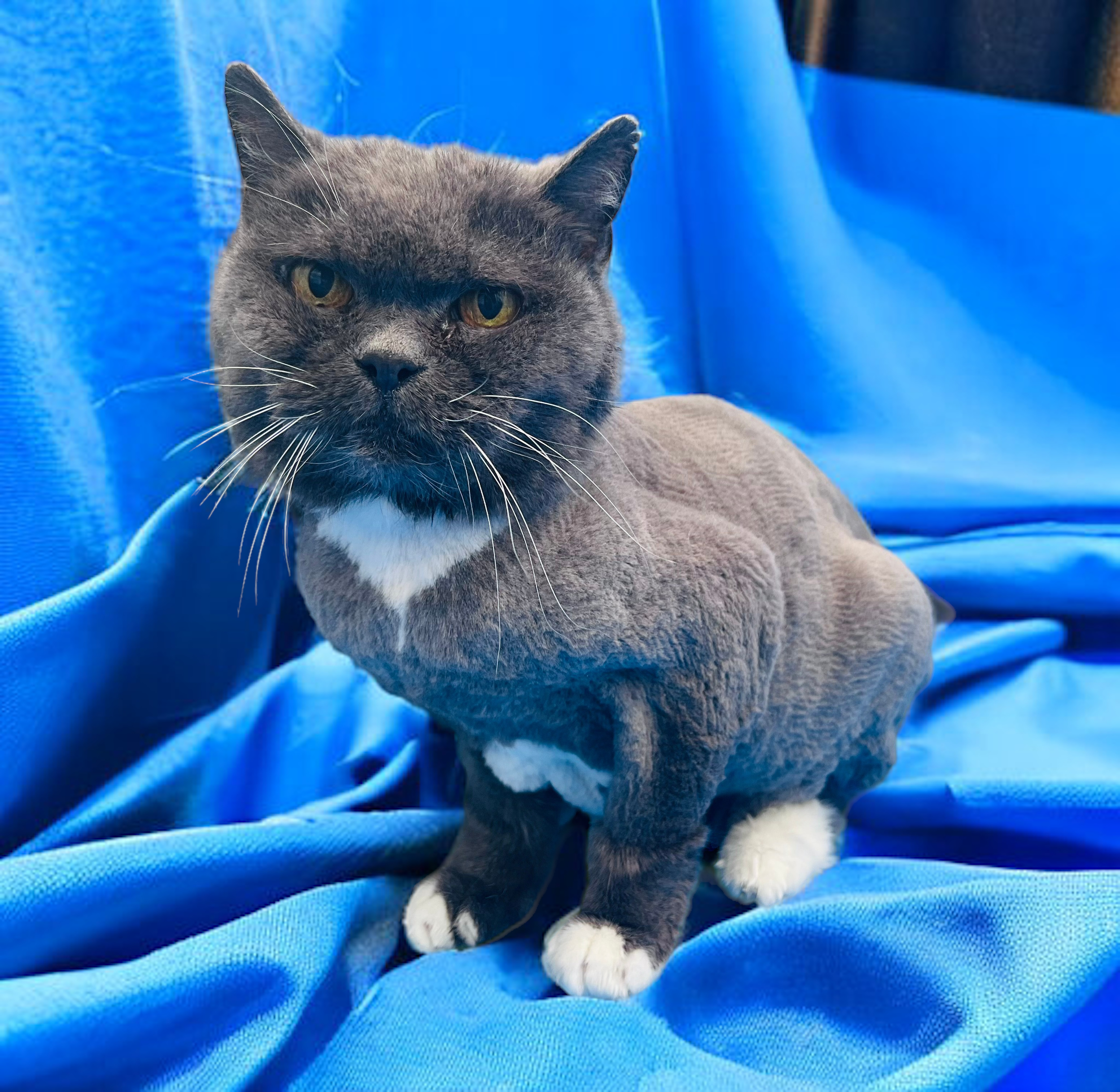
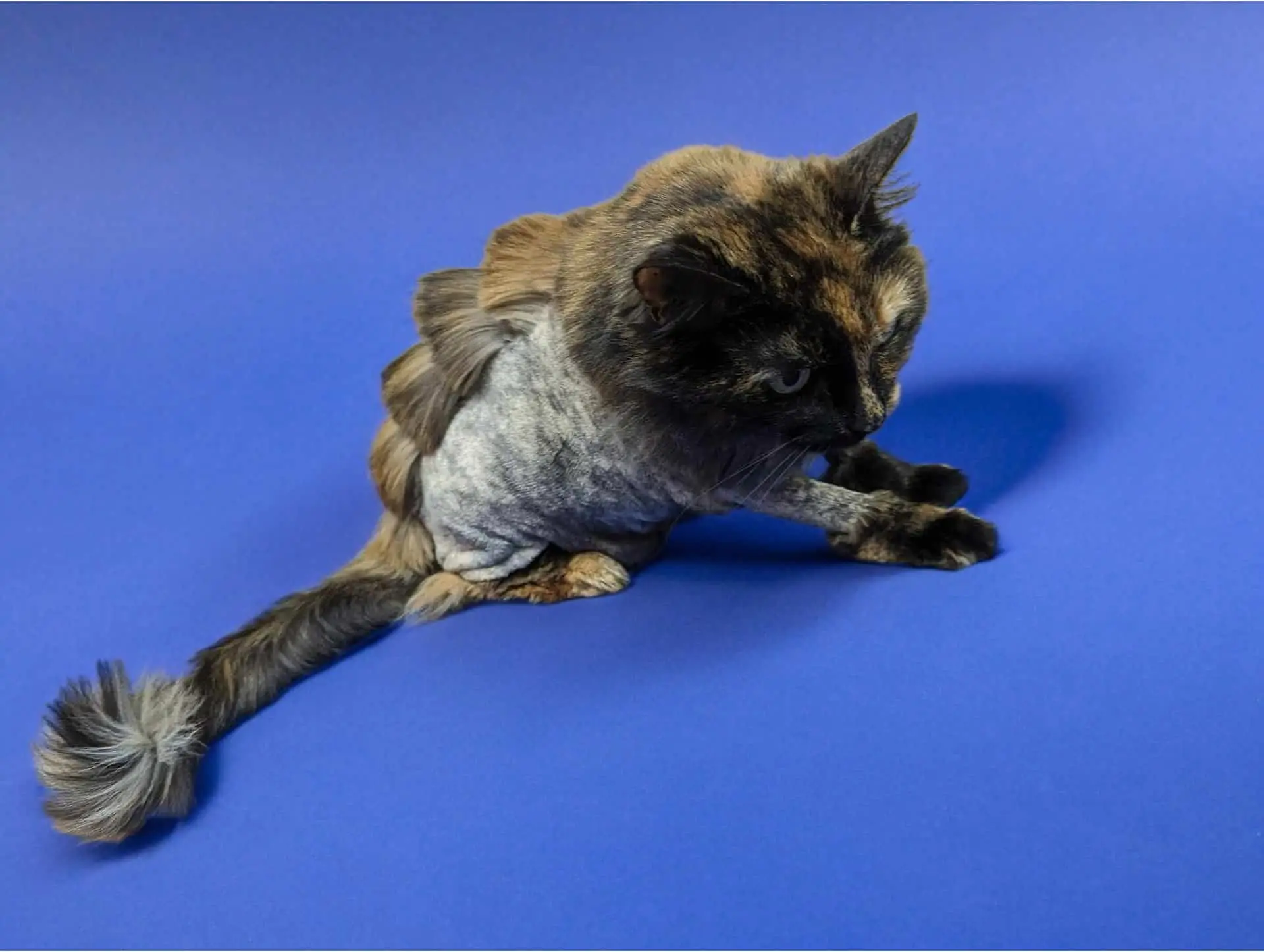
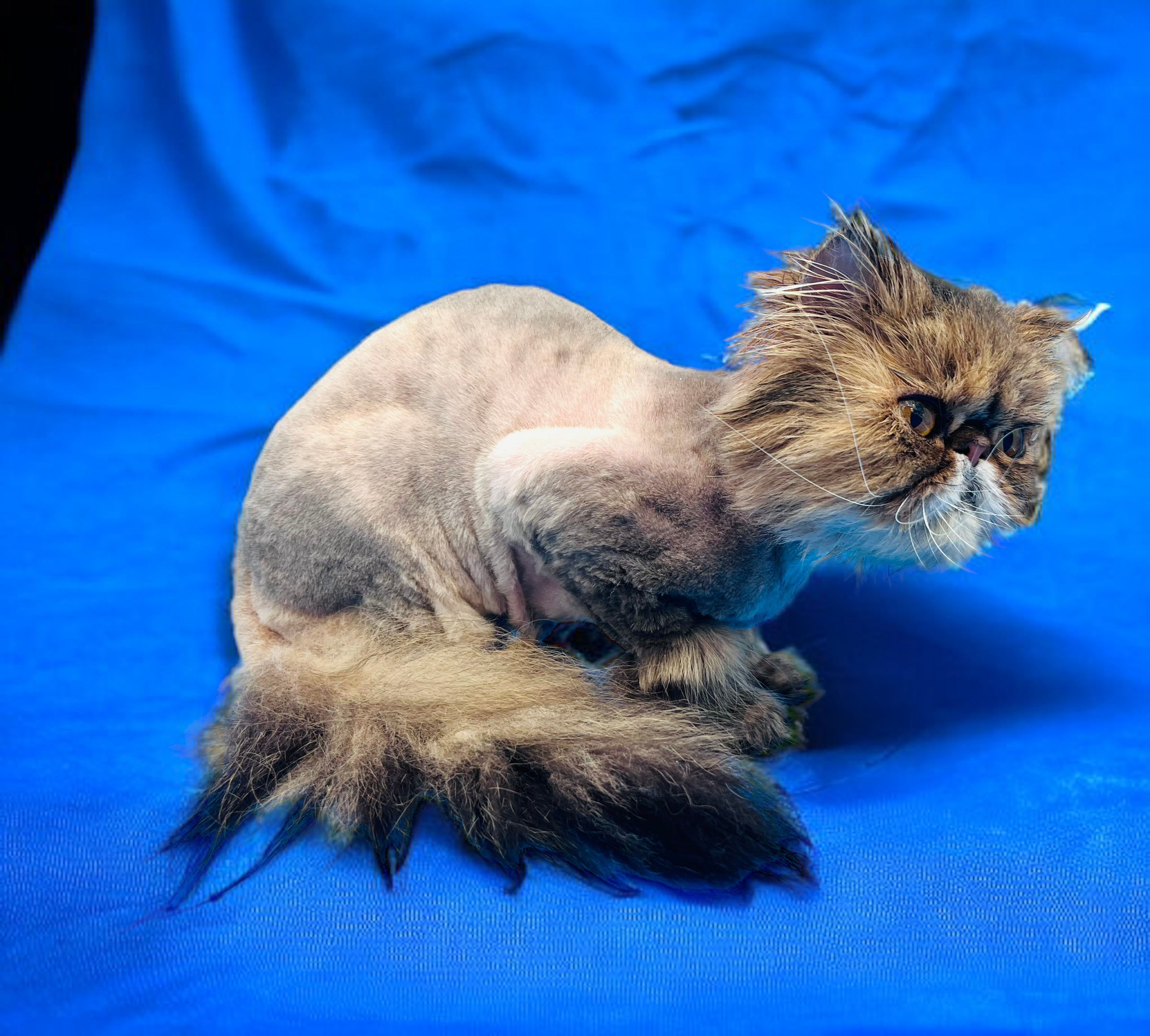
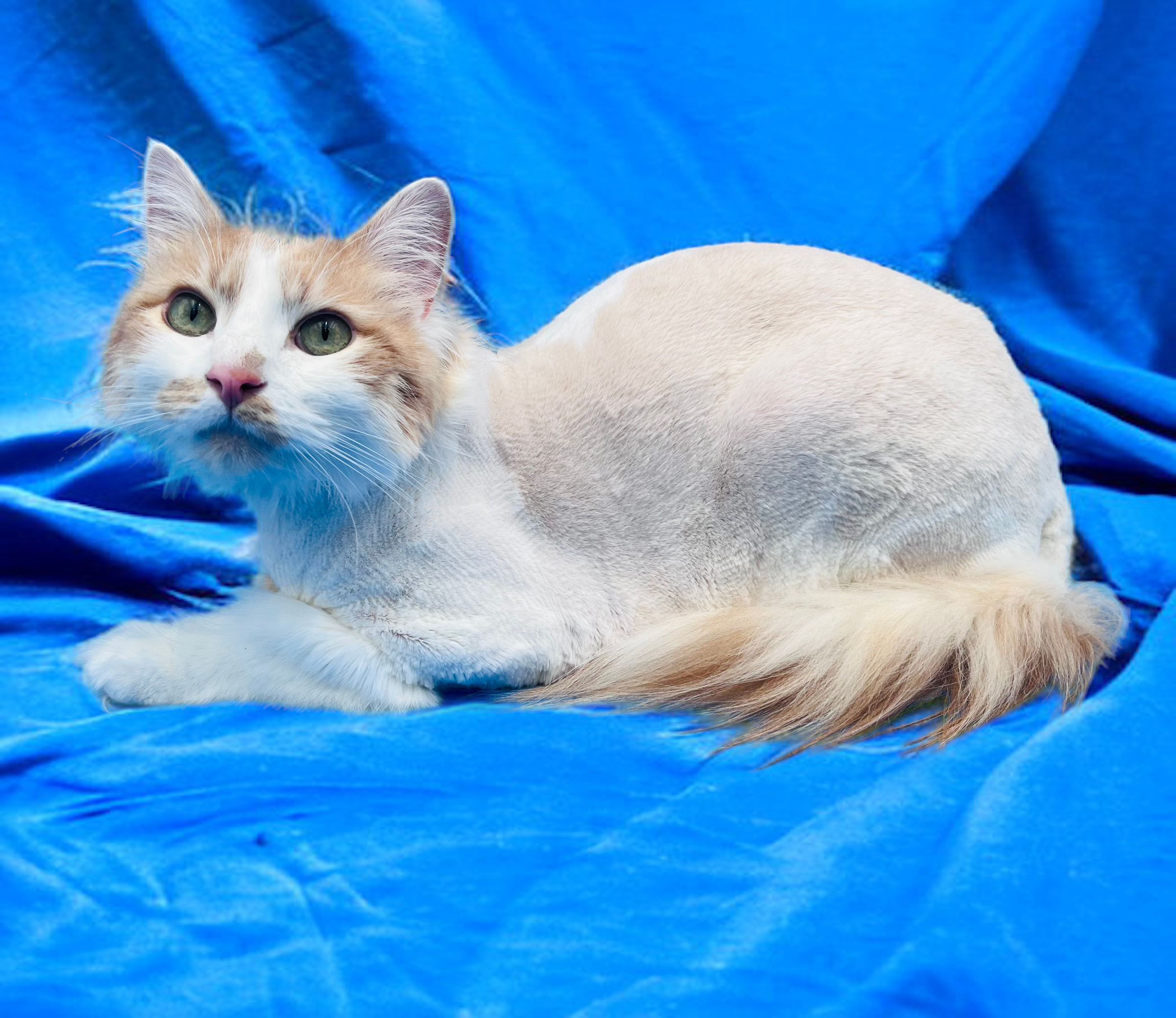
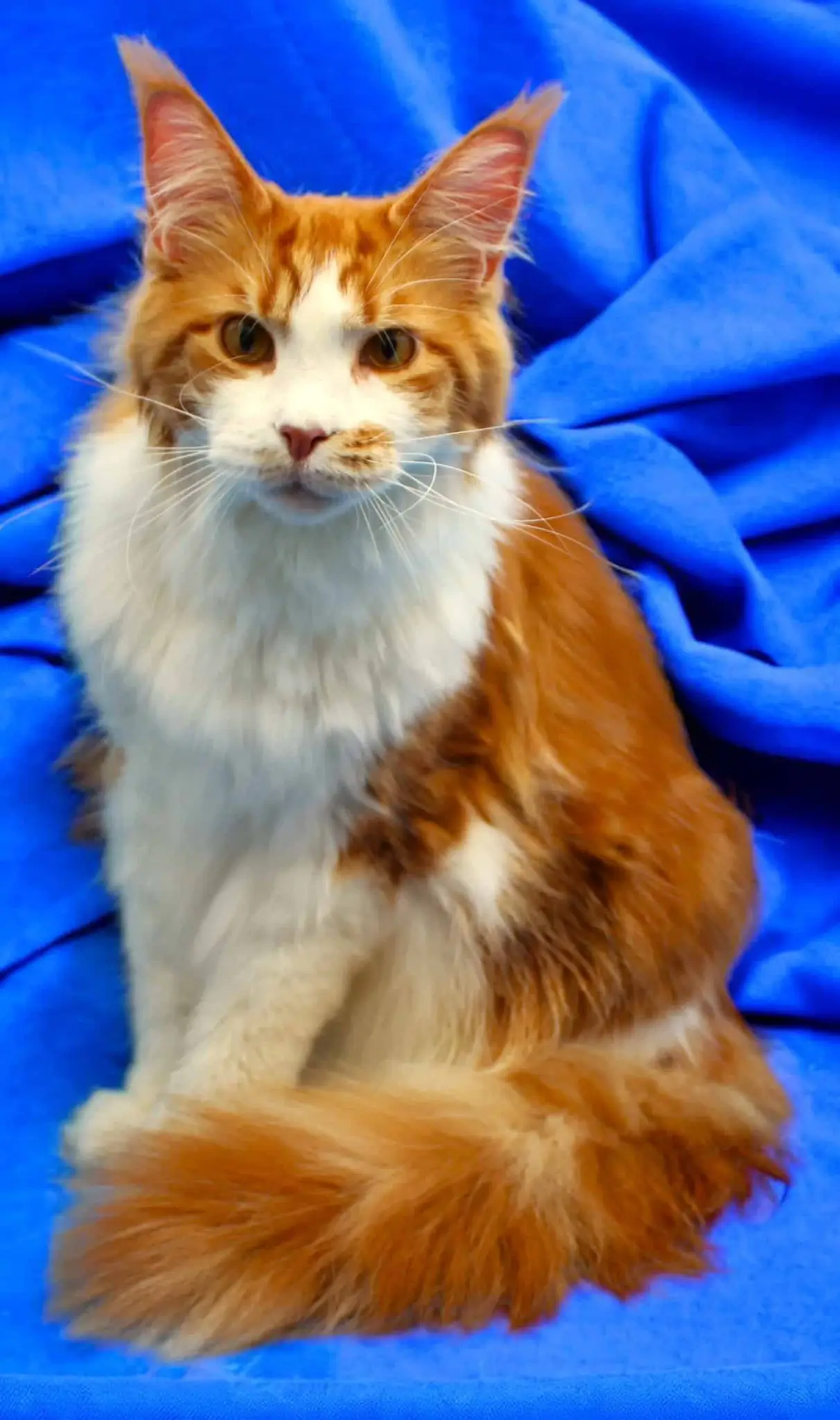
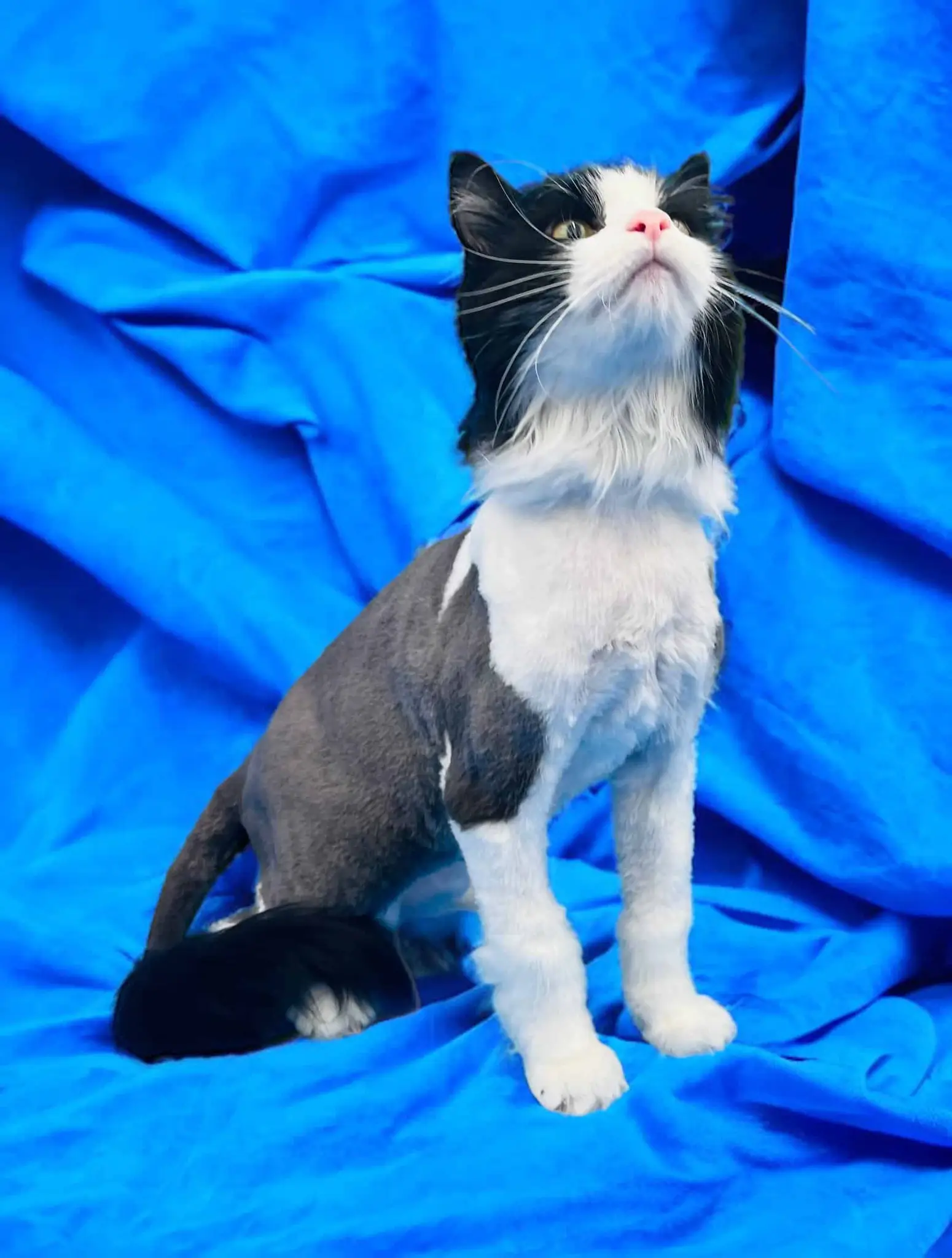
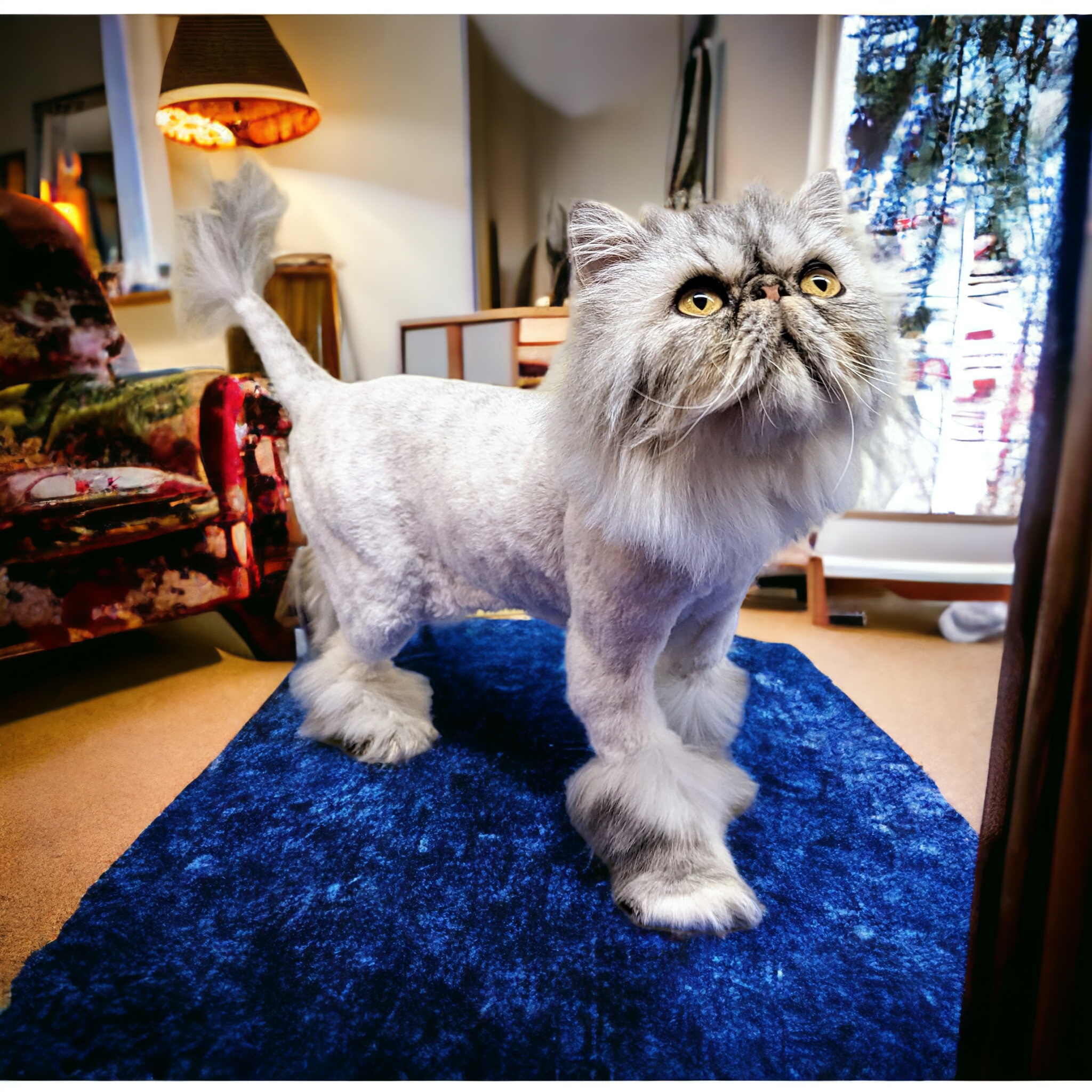
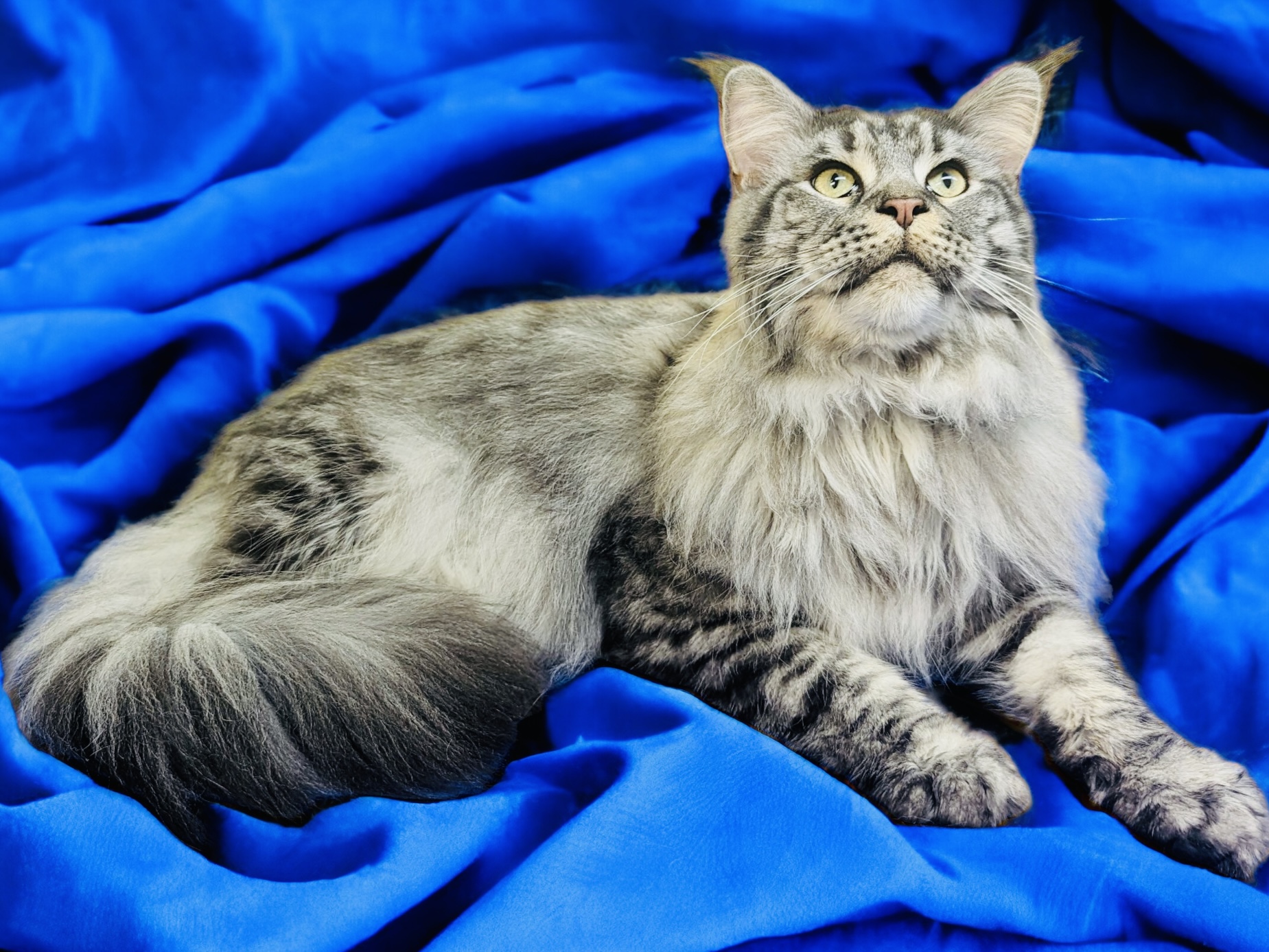
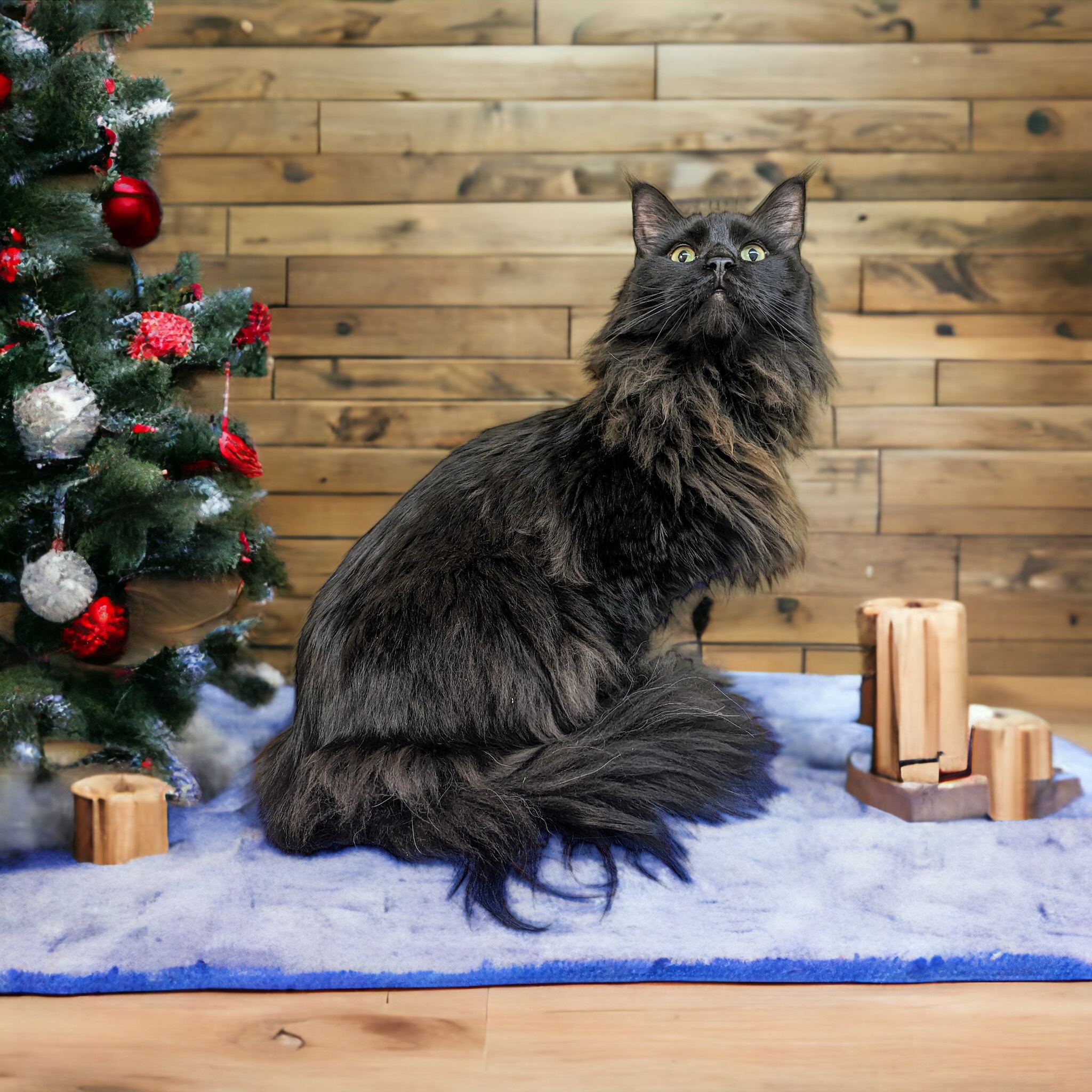
The Cat Grooming Guide begins with what a guardian is seeing now: loose or compacted coat, a haircut or hygiene need, visible skin-and-coat burden, or claws that are becoming difficult to maintain. These first-party Cats in the City images are placed here because each one clarifies a different route through the larger grooming system.
Undercoat release & coat maintenance
These images help guardians recognize that a cat can carry substantial loose or compacted coat without appearing severely matted. Professional release work can reduce shedding load, friction tangles, retained undercoat, and the amount of loose hair a cat must manage through self-grooming.
Explore cat deshedding →


Haircut & comfort-forward reset pathways
Lion cuts and teddy bear cuts can serve different coat, hygiene, maintenance, and recurrence-prevention goals. Showing several finished outcomes helps guardians understand that the final plan should respond to the cat’s coat condition, anatomy, tolerance, and realistic maintenance needs.
Compare grooming services →


Skin access & coat-condition education
Flaking, grease, coat separation, trapped undercoat, and reduced skin access often overlap. These educational images support the guide’s decision to route guardians by the pattern they see instead of treating every concern as a request for a bath or haircut.
Explore skin and coat care →

Paw checks, prevention & escalation
The guide treats claws as a core grooming pathway because overgrowth is often gradual and difficult to see—especially in dewclaws, long-haired paws, senior cats, or cats who no longer expose the feet easily at home. Calm routine trims and close paw checks are the preventive end of the same continuum shown in the final image.
Open the nail-trim and claw-care hub →


Continue through the grooming system
This hub explains why TANDEM Cat® exists. These connected pages explain the specific condition, service, case type, or professional pathway.
Mats, pelting & coat compression
Start here when the coat pinches, pulls, fuses, restricts movement, traps waste, or can no longer be maintained safely at full length.
Age, pain & medical sensitivity
Use these pages when age, arthritis, cardiac history, respiratory sensitivity, or another health factor changes positioning, pacing, or the care plan.
Fear, reactivity & prior failure
Learn how the environment, staffing, pacing, and support structure can change what a cat is able to tolerate while awake.
Haircuts & maintenance
Find routine coat maintenance, comfort resets, haircuts, hygiene work, deshedding, and claw care without turning this framework page into a service glossary.
Method & ethics
Explore support-based touch, natural positioning, role structure, restraint architecture, and the ethical implications of staffing design.
Professionals & certification
Move from public education into feline handling training, facility standards, professional certification, and the certified groomer directory.
The care position
Ordinary cats arrive with anatomy, movement, sensory thresholds, preferences, medical histories, aging bodies, protective responses, and agency. Sophisticated care should not require a cat to become extraordinary at tolerating an ordinary system.
The cat should not have to become easier for the care system. The care system should become more capable of caring for the cat.Medication or veterinary sedation may be appropriate for some cats. TANDEM Cat® expands awake-care access without treating every referral as a failure.
The model changes staffing, positioning, observation, and division of labor rather than merely softening the same mechanics.
Routine maintenance, first visits, deshedding, bathing, and claw care benefit from a system built around normal feline movement.
Protective care includes pausing, changing the plan, requesting medication, or referring when continuing would exceed a safe threshold.
Institutional outcome reporting should be read in context: this is practice-based evidence from the TANDEM Cat® system, not a randomized comparison of all grooming models.
Practice-based evidence
Cats in the City has reported 9,984 feline grooming appointments, 4,067 documented complexity flags, and 1,790 unique high-risk cats in its Groomed Awake cohort. The emerging record shows how frequently age, medical history, sensory sensitivity, behavioral complexity, coat burden, and positioning needs shape grooming work.
The significance is not that ordinary cats are defective. It is that ordinary feline care becomes operationally complex when the animal is treated as a living body rather than as a stationary surface.
Applied cases
Case studies show the decisions, adaptations, and outcomes that a generic service list cannot capture.
Case library
Browse individual cases involving age, coat burden, medical complexity, handling history, and care planning.
Open the library →Coat crisis
Study advanced matting, fused coat structures, hygiene burden, skin exposure, and comfort-oriented removal plans.
Explore severe matting →Full-body pelt
A focused case record showing assessment, awake intervention, body access, and the findings revealed beneath a fused coat.
Read the case →Paw health
See why routine claw checks matter and how paw findings can change the scope of a grooming encounter.
Read Dulce’s case →Somatic observation
Explore how close observation during grooming can reveal findings that were not the guardian’s presenting concern.
Read the case →Handling analysis
Study how staffing, thresholds, environment, and prior experience can alter a cat’s ability to access care.
Read the analysis →Connected TANDEM Cat® resources
The grooming method is one part of a larger feline care system organized around observation, body state, environment, and individualized thresholds.
Touch
The foundational language of support, contact, pacing, communication, and trust.
Read the foundation →Somatic care
Understand the missing middle between routine caregiving and veterinary diagnosis or treatment.
Explore somatic care →Behavior
Read movement, guarding, stillness, retreat, escalation, and recovery as information.
Study body language →Professional education
Training pathways for veterinary, grooming, boarding, rescue, and shelter professionals.
Explore training →Systems library
Publications on care infrastructure, organizational memory, complexity, and learning systems.
Open the library →Questions & scrutiny
Direct answers about qualifications, methods, claims, boundaries, pricing, and care decisions.
Read the guide →Portland metro grooming
Both grooming pathways connect to Cats in the City’s feline-only TANDEM Cat® care system. Start with the location nearest you or use the booking hub when you need help choosing a service.
Portland
Location details, local service pathways, and booking access for Portland-area guardians.
Open Portland location →Westside
Location details, local service pathways, and booking access for Beaverton and westside guardians.
Open Beaverton location →Common questions
These answers define the model without promising that every cat should complete every service awake or on the first attempt.
No. TANDEM Cat® was built around normal feline anatomy, movement, sensory processing, protective behavior, and agency. Cats with greater medical or behavioral complexity may make the need for this structure more visible, but the structure was designed for cats because they are cats.
Two trained practitioners can divide body support, positioning, observation, and precision grooming work. That division reduces the need for one person to immobilize the cat strongly enough to free a hand for the task. Actual support remains individualized and changes throughout the groom.
No. Awake grooming is appropriate for many cats, but medication, veterinary evaluation, or sedation may be the safer route in some circumstances. TANDEM Cat® includes threshold-based decisions, deferral, care planning, and referral rather than proceeding at any cost.
The team treats movement as information. Practitioners may adjust contact, change position, alter sequencing, pause, reduce sensory load, use a different tool, shorten the immediate goal, or develop another plan. The response depends on the cat’s body state and the reason for care.
Yes. The grooming services hub includes lion cuts, teddy bear cuts, deshedding, sanitary trims, nail care, coat resets, and other pathways. When the coat or body requires a different plan than expected, the team will explain what it found and help design the next step.
Cats in the City offers feline-only grooming pathways in Portland and Beaverton. Use the grooming booking hub or the location pages to begin.
Cats in the City | TANDEM Cat® Clinical Grooming
Tell us what you are noticing, what your cat has experienced before, and what the coat or body seems to need. We’ll help route you toward an appropriate service, evaluation, prevention plan, or referral.